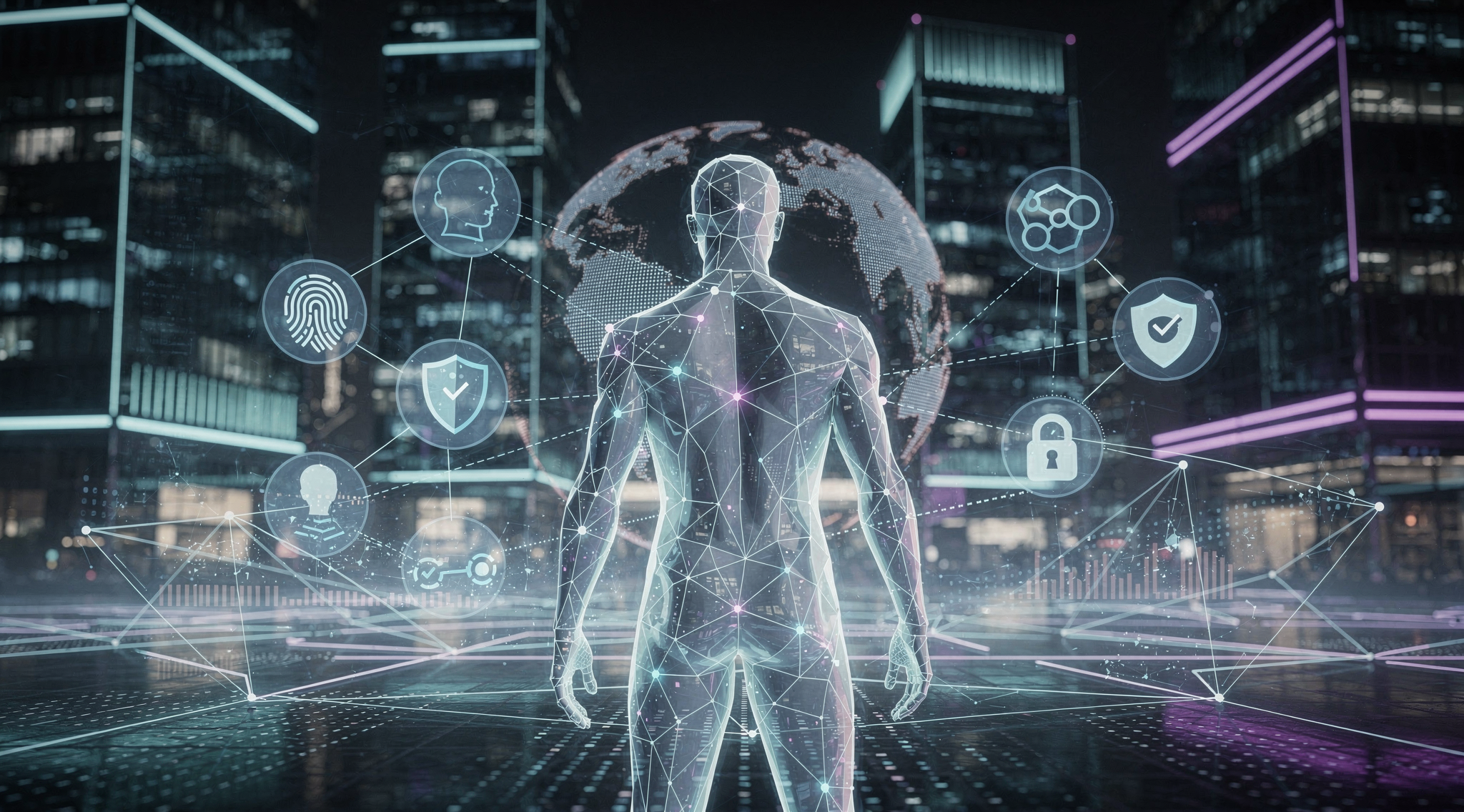
Real-World Assets (RWAs) on blockchain are set to revolutionize decentralized finance by 2026, enhancing liquidity and opening new investment avenues for a global audience through tokenization, fostering a more interconnected financial ecosystem.
The convergence of Real-World Assets (RWAs) on Blockchain: A 2026 Deep Dive into DeFi Integration represents one of the most compelling narratives in the evolving digital finance landscape. This isn’t just about digitizing assets; it’s about fundamentally reshaping how we perceive, own, and interact with value in a decentralized world.
Understanding Real-World Assets (RWAs) in a Digital Context
Real-World Assets (RWAs) encompass any tangible or intangible asset that exists outside the blockchain and can be tokenized. This includes a vast spectrum, from physical commodities like gold and real estate to financial instruments such as bonds, equities, and even intellectual property. The tokenization process converts these traditional assets into digital tokens on a blockchain, enabling fractional ownership, enhanced liquidity, and programmable features within decentralized finance (DeFi) protocols.
The allure of RWAs on blockchain stems from their potential to bridge the chasm between traditional finance (TradFi) and the nascent DeFi ecosystem. By bringing real-world value onto the blockchain, DeFi can unlock trillions of dollars in capital, previously siloed in conventional markets. This integration promises to introduce greater stability and utility to DeFi, which has historically been characterized by high volatility and reliance on purely crypto-native assets.
The Mechanics of RWA Tokenization
Tokenizing an RWA involves several crucial steps, ensuring legal and technical compliance. Initially, a legal framework must be established to define the ownership rights and responsibilities associated with the digital token. This often requires working with legal entities to create special purpose vehicles (SPVs) or trusts that hold the underlying physical asset.
- Legal Structuring: Establishing the legal ownership of the underlying asset and its representation as a digital token.
- On-Chain Representation: Creating a smart contract that mints tokens representing the asset on a blockchain, such as Ethereum or Solana.
- Oracle Integration: Utilizing oracles to feed real-time data and valuations of the RWA onto the blockchain, maintaining accurate pricing and collateral ratios.
- Regulatory Compliance: Adhering to relevant securities laws, anti-money laundering (AML), and know-your-customer (KYC) regulations.
The ultimate goal is to create a seamless, transparent, and secure digital representation of a physical asset that can be traded, lent, or used as collateral within DeFi protocols. This complex process requires robust technology, legal expertise, and a clear understanding of both traditional and decentralized financial systems.
As we approach 2026, the foundational infrastructure for RWA tokenization is maturing rapidly. Innovations in legal tech and blockchain interoperability are making the process more efficient and scalable. This paves the way for a broader adoption of RWAs in various DeFi applications, from stablecoins backed by real-world collateral to tokenized debt instruments.
The Evolving Landscape of DeFi and RWA Integration by 2026
By 2026, the integration of Real-World Assets (RWAs) into decentralized finance (DeFi) is expected to transform the sector significantly. This evolution will move beyond experimental projects to establish a more robust and diverse DeFi ecosystem. We anticipate a future where a substantial portion of global assets, both liquid and illiquid, will be accessible and tradable on blockchain networks, driven by the inherent advantages of tokenization.
The primary drivers for this accelerated integration include increasing institutional interest, clearer regulatory frameworks, and technological advancements. Institutions are recognizing the efficiency gains and new revenue streams offered by tokenization, while regulators are beginning to provide guidance, reducing uncertainty for potential participants. Furthermore, advancements in blockchain scalability and security are making these integrations more viable than ever before.
Key Areas of RWA-DeFi Convergence
The integration will manifest across several critical areas, each bringing unique benefits and challenges. This diversification will strengthen DeFi protocols and offer users a wider array of financial products.
- Tokenized Debt: Corporate bonds, government treasuries, and even private credit will be tokenized, allowing for fractional ownership and simplified trading on decentralized exchanges. This can democratize access to high-yield debt markets.
- Real Estate: Fractional ownership of properties will become more commonplace, enabling smaller investors to participate in real estate markets and offering property owners new avenues for liquidity.
- Commodities: Gold, silver, and other commodities will be tokenized, providing a more efficient and transparent way to trade and store value, often with lower transaction costs.
- Intellectual Property & Royalties: Future royalties from music, art, or patents could be tokenized, creating new income streams and investment opportunities.
These integrations will not only expand the asset classes available within DeFi but also introduce a new layer of stability. Unlike purely crypto-native assets, which can be highly volatile, RWAs often have underlying value tied to established markets, potentially reducing systemic risk within DeFi protocols.
The year 2026 will likely see the emergence of specialized DeFi platforms designed specifically for RWA integration, offering tailored lending, borrowing, and trading solutions. These platforms will need to navigate complex legal and regulatory landscapes, but the potential rewards in terms of market expansion and capital efficiency are immense.
Challenges and Opportunities in RWA-DeFi Integration
Integrating Real-World Assets (RWAs) into decentralized finance (DeFi) presents a dual landscape of significant challenges and unprecedented opportunities. Navigating these complexities will be crucial for the successful scaling and widespread adoption of tokenized assets by 2026.
One of the foremost challenges lies in the regulatory uncertainty that still surrounds digital assets. While progress is being made, a fragmented global regulatory environment can create hurdles for projects seeking to tokenize assets across jurisdictions. Clarity on securities laws, ownership rights, and tax implications is essential for fostering institutional confidence and participation.
Overcoming Key Hurdles
Addressing these challenges requires a multi-faceted approach, combining legal innovation with technological solutions. Collaboration between blockchain developers, legal experts, and traditional financial institutions will be paramount.
- Legal Frameworks: Developing robust legal structures that clearly define the ownership and transfer of tokenized assets, ensuring enforceability in both digital and traditional legal systems.
- Oracles and Data Integrity: Ensuring the reliability, accuracy, and immutability of off-chain data fed onto the blockchain via oracles, which is critical for accurate RWA valuation and collateral management.
- Liquidity and Market Depth: Building sufficient liquidity for tokenized RWAs will be vital to attract investors and facilitate efficient trading, potentially through incentives or partnerships with large market makers.
- Security and Custody: Implementing advanced security measures for both the underlying physical assets and their digital representations, along with secure custody solutions for tokenized assets.
Despite these challenges, the opportunities are transformative. Tokenization can unlock illiquid assets, making them accessible to a broader investor base. Imagine fractional ownership of high-value art, private equity, or even infrastructure projects, all tradable on a global, 24/7 market.
By 2026, successful projects will have demonstrated effective strategies for mitigating these risks, paving the way for a more secure and regulated RWA-DeFi ecosystem. The continuous innovation in legal tech and blockchain infrastructure will play a pivotal role in overcoming current limitations.
Technological Innovations Driving RWA Integration
The rapid advancements in blockchain technology are the primary engine behind the accelerating integration of Real-World Assets (RWAs) into DeFi. By 2026, several key innovations will have matured, making the process of tokenization more efficient, secure, and scalable. These technological breakthroughs are not just incremental improvements; they represent fundamental shifts in how digital and physical assets interact.
One of the most critical areas of innovation is the development of more sophisticated oracle networks. Oracles are the bridges that connect off-chain data with on-chain smart contracts. For RWAs, this means securely feeding real-time valuations, legal status updates, and other crucial information from the physical world onto the blockchain, ensuring that the digital tokens accurately reflect their underlying assets.
Pivotal Technological Advancements
Several technological pillars are supporting the robust integration of RWAs, enhancing security, interoperability, and user experience.
- Advanced Oracle Networks: Next-generation oracles with enhanced security, decentralization, and data integrity features are crucial for reliable RWA pricing and collateral management. Chainlink’s verifiable randomness functions and data feeds are prime examples.
- Layer 2 Solutions and Scalability: Scaling solutions like rollups (optimistic and zero-knowledge) are reducing transaction costs and increasing throughput, making RWA transactions more economically viable and faster.
- Cross-Chain Interoperability: Protocols enabling seamless transfer of tokenized RWAs and associated data across different blockchain networks will expand market reach and liquidity.
- Identity and Compliance Solutions: On-chain identity verification (DID) and compliance tools are evolving to meet regulatory requirements, facilitating institutional participation while maintaining user privacy where possible.
These innovations address some of the most significant barriers to RWA adoption, particularly scalability and data reliability. As Layer 2 solutions become more prevalent, the cost of interacting with tokenized assets will decrease, making them accessible to a wider range of participants.
By 2026, we can expect to see highly specialized blockchain platforms or sub-networks designed specifically for RWA tokenization, offering custom-built features for legal compliance, data privacy, and interoperability. The evolution of these technologies will cement RWAs as a cornerstone of the future DeFi ecosystem.
Regulatory Landscape and Institutional Adoption by 2026
The regulatory landscape surrounding Real-World Assets (RWAs) on blockchain is rapidly evolving, and by 2026, we anticipate significantly more clarity and structured frameworks. This regulatory progression is crucial for fostering widespread institutional adoption, which is currently a major bottleneck for the full potential of RWA-DeFi integration.
Governments and financial authorities worldwide are increasingly recognizing the transformative power of blockchain technology and the need for clear guidelines. While some jurisdictions are moving faster than others, the general trend points towards a more regulated, yet innovation-friendly, environment for tokenized assets. This will involve defining what constitutes a security token, establishing licensing requirements for platforms, and clarifying tax implications.
Impact of Regulatory Clarity on Institutions
The establishment of clear regulatory frameworks will have a profound impact on institutional participation. Financial institutions, traditionally risk-averse, require certainty to deploy significant capital and resources into new markets.
- Increased Confidence: Clear rules reduce legal and reputational risks, encouraging banks, asset managers, and other financial entities to explore and invest in tokenized RWAs.
- Standardization: Regulatory guidance will likely lead to industry-wide standards for tokenization, custody, and trading, making the ecosystem more interoperable and secure.
- New Product Development: With regulatory blessing, institutions can develop and offer a wider range of tokenized financial products to their clients, from tokenized funds to structured products.
- Cross-Border Facilitation: Harmonized international regulations, even if nascent, will facilitate cross-border transactions and global liquidity for tokenized assets.
By 2026, we expect to see major financial institutions not only participating in RWA tokenization but actively leading initiatives. This could include launching their own blockchain-based platforms for issuing and managing tokenized securities, or integrating existing DeFi protocols into their operations.
The maturation of regulatory frameworks will also bring greater consumer protection, which is vital for mainstream adoption. This balance between innovation and regulation will be key to unlocking the multi-trillion-dollar potential of RWAs in DeFi.
The Economic Impact and Future of RWA-Backed DeFi
The economic impact of Real-World Assets (RWAs) on blockchain and their deep integration into DeFi by 2026 is projected to be monumental, fundamentally altering traditional financial paradigms. This convergence promises to unlock vast amounts of capital, enhance market efficiency, and democratize access to investment opportunities previously reserved for a select few.
One of the most significant economic benefits is the potential to unlock liquidity from illiquid assets. Assets like real estate, private equity, and fine art are typically difficult and time-consuming to sell. Tokenization allows for fractional ownership and instant transferability on a 24/7 global market, dramatically increasing their liquidity and market efficiency. This means investors can enter and exit positions with greater ease, and asset owners can raise capital more efficiently.
Transformative Economic Implications
The integration will ripple through various sectors, creating new economic models and opportunities.
- Increased Capital Efficiency: By reducing intermediaries and automating processes through smart contracts, the cost of issuing, managing, and trading assets will decrease significantly, leading to greater capital efficiency.
- Democratization of Investment: Fractional ownership of high-value assets will make them accessible to a broader range of investors, lowering entry barriers and fostering financial inclusion.
- New Financial Products: The programmability of tokenized RWAs will enable the creation of innovative financial instruments, such as collateralized debt positions backed by real estate or structured products tied to commodity flows.
- Global Market Access: Blockchain-based trading platforms will provide global access to tokenized assets, allowing investors from anywhere in the world to participate without geographical restrictions.
The economic models for RWA-backed DeFi will move beyond simple lending and borrowing to include complex derivatives, insurance products, and even decentralized autonomous organizations (DAOs) managing portfolios of tokenized real-world assets. This diversification will make the DeFi ecosystem more resilient and less susceptible to the volatility of purely crypto-native markets.
By 2026, the value locked in RWA-backed DeFi protocols could reach trillions of dollars, demonstrating a clear shift in how value is stored, exchanged, and leveraged. This will not only create new wealth but also redistribute economic power, fostering a more inclusive and efficient global financial system.
The Road Ahead: 2026 and Beyond for RWAs in DeFi
As we look towards 2026 and beyond, the trajectory for Real-World Assets (RWAs) on blockchain and their integration into DeFi is one of continued innovation and expanding adoption. The foundations being laid today in terms of technology, regulation, and institutional interest will blossom into a mature and highly impactful ecosystem.
The immediate future will see increasing specialization within the RWA-DeFi sector. Instead of generic platforms, we will likely witness the rise of specialized protocols catering to specific asset classes, such as tokenized carbon credits, intellectual property rights, or even niche collectibles. These platforms will offer tailored legal, technical, and compliance solutions, optimizing the tokenization process for their respective markets.
Future Trends and Developments
Several key trends will shape the evolution of RWA-DeFi integration in the coming years.
- Enhanced Interoperability: Seamless cross-chain functionality will become standard, allowing tokenized RWAs to move effortlessly between different blockchain networks, maximizing liquidity and utility.
- Advanced Risk Management: Sophisticated on-chain risk assessment tools, leveraging AI and machine learning, will provide more accurate evaluations of RWA collateral and borrower creditworthiness.
- Decentralized Governance: DAOs will play an increasingly significant role in governing RWA-backed protocols, ensuring transparency and community involvement in key decisions.
- Sustainability Focus: The tokenization of environmental assets, such as carbon offsets and renewable energy credits, will grow, aligning financial innovation with global sustainability goals.
The long-term vision extends to a future where virtually any valuable asset can be tokenized and integrated into a global, permissionless financial system. This doesn’t mean the end of traditional finance, but rather a powerful augmentation, where the efficiencies and transparency of blockchain supercharge conventional markets.
By 2026, the success stories of RWA-DeFi integration will serve as blueprints for further expansion, attracting even more capital and talent. The journey will undoubtedly have its challenges, but the transformative potential for a more inclusive, efficient, and transparent global financial system makes it a profoundly exciting frontier.
| Key Aspect | Brief Description |
|---|---|
| Definition of RWAs | Tangible or intangible assets existing off-chain, tokenized for blockchain use (e.g., real estate, gold, bonds). |
| DeFi Integration Goal | Bridge TradFi and DeFi, unlocking trillions in capital, enhancing liquidity, and diversifying DeFi ecosystems. |
| Key Drivers by 2026 | Institutional interest, regulatory clarity, and technological advancements like advanced oracles and Layer 2 solutions. |
| Economic Impact | Increased capital efficiency, democratized investment, new financial products, and global market access. |
Frequently Asked Questions About RWAs and DeFi
RWAs are tangible or intangible assets that exist outside the blockchain, such as real estate, fine art, commodities, or financial instruments. They are tokenized, meaning they are represented as digital tokens on a blockchain, allowing for fractional ownership and seamless integration into decentralized finance protocols.
By 2026, RWAs are expected to significantly diversify and stabilize the DeFi ecosystem by introducing trillions in off-chain value. This will enhance liquidity, attract institutional capital, and create new investment opportunities, moving DeFi beyond purely crypto-native assets into a more robust financial system.
Key challenges include regulatory uncertainty across jurisdictions, ensuring the legal enforceability of tokenized ownership, maintaining data integrity through reliable oracles, and building sufficient liquidity for these new digital asset classes within DeFi protocols.
Innovations like advanced oracle networks for secure data feeds, Layer 2 scaling solutions for efficiency, cross-chain interoperability protocols, and evolving on-chain identity and compliance tools are crucial for the seamless and secure integration of RWAs.
Institutional adoption is vital because it brings significant capital, expertise, and credibility. Clear regulatory frameworks provide the confidence institutions need to participate, leading to increased market depth, stability, and broader acceptance of tokenized real-world assets within the global financial system.
Conclusion
The journey of Real-World Assets (RWAs) on blockchain, particularly their deep integration into decentralized finance by 2026, marks a pivotal moment in the evolution of global finance. This convergence promises to unlock unprecedented liquidity, democratize investment opportunities, and create a more efficient and transparent financial ecosystem. While challenges in regulation and technology remain, the relentless pace of innovation and growing institutional interest suggest that RWAs will not merely be an add-on to DeFi, but a fundamental pillar supporting its future growth and stability. The coming years will undoubtedly see a transformative shift, blurring the lines between traditional and decentralized finance, and ultimately reshaping how we perceive and interact with value worldwide.