
The January 2026 Federal Reserve statements on digital assets signal a pivotal shift in regulatory approach, emphasizing market stability and outlining future integration strategies for cryptocurrencies within the traditional financial system.
The financial world paused in January 2026 as the Federal Reserve unveiled its latest pronouncements on digital assets. These statements are not just routine updates; they represent a significant inflection point in how central banks perceive and intend to integrate cryptocurrencies into the broader economic framework. Understanding these nuances is paramount for investors, innovators, and regulators alike, as they collectively shape the future of digital finance. This article provides expert insights: decoding the January 2026 Federal Reserve statements on digital assets and market stability, offering a comprehensive analysis of their implications.
The Federal Reserve’s Evolving Stance on Digital Assets
For years, the Federal Reserve maintained a cautious, often ambiguous, stance on digital assets. However, the January 2026 statements represent a maturation of their perspective, moving beyond mere observation to outlining concrete intentions regarding regulation, oversight, and potential integration. This shift reflects the undeniable growth and mainstream adoption of cryptocurrencies, necessitating a more proactive approach from monetary authorities.
The Fed’s pronouncements highlight a growing recognition of both the opportunities and risks presented by the digital asset ecosystem. They acknowledge the potential for innovation, faster payments, and financial inclusion, while simultaneously emphasizing the need to mitigate risks related to financial stability, consumer protection, and illicit finance. This dual focus underscores a balanced, albeit firm, regulatory philosophy.
Key Regulatory Principles Unveiled
The January 2026 statements detailed several core regulatory principles that will guide the Fed’s actions moving forward. These principles aim to create a robust and resilient digital asset market while fostering responsible innovation.
- Interoperability and Standardization: The Fed stressed the importance of creating common standards and interoperable systems to seamlessly connect digital assets with existing financial infrastructure, promoting efficiency and reducing fragmentation.
- Risk Management Frameworks: New guidelines are expected for financial institutions engaging with digital assets, focusing on robust risk assessments, capital requirements, and liquidity management to safeguard against systemic shocks.
- Consumer and Investor Protection: Enhanced measures are anticipated to protect consumers and investors from fraud, market manipulation, and operational failures within the digital asset space, emphasizing transparency and accountability.
These principles suggest a move towards a more structured regulatory environment, one that seeks to bring digital assets into alignment with traditional financial market regulations rather than treating them as an entirely separate entity. The goal is to ensure parity in risk management and consumer safeguards across all financial instruments.
Impact on Market Stability and Traditional Finance
The Federal Reserve’s primary mandate includes maintaining financial stability. Their January 2026 statements explicitly link the growth of digital assets to potential systemic risks if left unchecked. The concern is that a highly volatile and interconnected digital asset market could spill over into traditional finance, especially as institutions increase their exposure to cryptocurrencies.
The statements suggest a multi-pronged approach to address these concerns. This includes closer monitoring of stablecoin reserves, stress testing for banks with significant digital asset holdings, and developing tools to manage potential liquidity crises stemming from crypto market disruptions. The Fed aims to build firewalls that protect the conventional financial system without stifling innovation in the digital realm.
Potential for Financial System Integration
Despite the focus on risk, the Fed’s statements also hint at a future where digital assets are more deeply integrated into the financial system. This integration, however, will be carefully managed and conditional on robust regulatory frameworks being in place.
- Central Bank Digital Currencies (CBDCs): While not a direct endorsement, the statements acknowledged ongoing research into CBDCs, suggesting they could play a role in enhancing payment efficiency and financial inclusion, albeit with careful consideration of privacy and monetary policy implications.
- Tokenization of Traditional Assets: The Fed is observing the tokenization trend, where real-world assets are represented on blockchains. This could streamline asset transfers and increase liquidity, but also introduces new operational and legal complexities that require regulatory clarity.
- Enhanced Data Sharing: The statements emphasized the need for greater data sharing and collaboration between regulators and digital asset firms to gain a clearer picture of market activity and potential vulnerabilities. This proactive data approach is crucial for informed policymaking.
The January 2026 outlook suggests a future where digital assets are less of a fringe phenomenon and more of a recognized, albeit regulated, component of the global financial landscape. This integration will likely be gradual, prioritizing stability over rapid expansion.
Regulatory Frameworks: A Global Perspective
The Federal Reserve’s January 2026 statements are not made in a vacuum. They reflect a growing global consensus among central banks and financial authorities regarding the need for comprehensive digital asset regulation. International cooperation is seen as essential to prevent regulatory arbitrage and ensure a level playing field.
The Fed’s approach aligns with efforts by international bodies like the Financial Stability Board (FSB) and the Bank for International Settlements (BIS) to develop harmonized regulatory standards for cryptocurrencies and stablecoins. This global coordination is crucial given the borderless nature of digital assets.
Comparative Regulatory Models
While the US is developing its framework, the Fed is likely observing various models globally, drawing lessons from both successes and challenges. Different jurisdictions have adopted varied approaches, from outright bans to permissive regulatory sandboxes.
- EU’s MiCA Regulation: The European Union’s Markets in Crypto-Assets (MiCA) regulation offers a comprehensive framework for crypto-asset issuance and service providers, providing a blueprint for consumer protection and market integrity that the Fed might consider.
- UK’s Consultative Approach: The UK has adopted a more consultative approach, seeking industry input to shape its regulatory regime, particularly concerning stablecoins and crypto trading platforms.
- Asian Regulatory Diversity: Countries in Asia present a spectrum of approaches, from highly restrictive (e.g., China) to more innovation-friendly (e.g., Singapore), offering diverse case studies for the Fed to analyze regarding economic impact and regulatory effectiveness.
The Fed’s statements indicate a careful synthesis of these global experiences, aiming to craft a framework that is both adaptable to the unique characteristics of the US market and consistent with international best practices. This ensures that US regulation does not create isolated markets or impede cross-border innovation.
Technological Advancements and Future Innovations
Beyond regulation, the Federal Reserve’s January 2026 statements also touched upon the underlying technological advancements driving the digital asset space. While acknowledging the transformative potential of blockchain and distributed ledger technologies (DLT), the Fed also highlighted areas where further innovation and standardization are needed to ensure scalability, security, and efficiency.
The statements implicitly encourage continued research and development in areas like cryptographic security, consensus mechanisms, and privacy-preserving technologies. The Fed understands that the regulatory framework must be flexible enough to accommodate future technological breakthroughs without becoming obsolete.
Blockchain’s Role in Financial Infrastructure
The Fed’s discussion suggests a future where blockchain technology, irrespective of specific cryptocurrencies, could play an increasingly vital role in modernizing financial infrastructure.
- Enhanced Settlement Systems: DLT could potentially revolutionize securities settlement and interbank transfers, reducing processing times and counterparty risks.
- Supply Chain Finance: The use of blockchain for transparent and efficient supply chain finance, enabling faster payments and improved tracking, is an area of observed interest.
- Identity Management: Decentralized identity solutions built on blockchain could enhance security and privacy in financial transactions, though regulatory clarity on data standards is crucial.
The statements reflect an understanding that the technology itself offers significant promise, and the challenge lies in harnessing this potential responsibly. The Fed aims to support innovations that enhance the safety and efficiency of the financial system, rather than disrupt it negatively. This forward-looking perspective is crucial for sustained growth.
Economic Implications and Monetary Policy
The January 2026 Federal Reserve statements explicitly addressed the potential economic implications of digital assets, particularly their impact on monetary policy and inflation. The Fed is keen to ensure that the proliferation of digital currencies does not undermine its ability to manage the money supply, control inflation, or conduct effective monetary policy.
Concerns revolve around the potential for stablecoins to act as parallel currencies, influencing liquidity and credit conditions. The statements indicate a strong desire to maintain the primacy of the US dollar and ensure that any digital asset integration supports, rather than detracts from, existing monetary policy tools.
Challenges to Monetary Sovereignty
The rise of global digital assets presents unique challenges to national monetary sovereignty. The Fed’s statements underscore the importance of maintaining control over domestic economic conditions.
- Capital Flows and Exchange Rates: Unregulated digital asset flows could complicate capital controls and impact exchange rates, requiring new tools for economic management.
- Inflationary Pressures: If private digital currencies gain widespread adoption without strong linkages to the central bank, they could potentially contribute to inflation or deflationary spirals outside the Fed’s direct influence.
- Financial Inclusion vs. Control: Balancing the benefits of financial inclusion offered by digital assets with the need for governmental oversight to prevent illicit activities and maintain economic stability remains a delicate act.
The Fed’s January 2026 statements reveal a cautious but determined approach to integrate digital assets into the economic framework in a way that preserves monetary policy effectiveness and safeguards the stability of the US dollar. This requires constant vigilance and adaptive policy measures.
Future Outlook: Regulation, Innovation, and Adaptation
Looking beyond January 2026, the Federal Reserve’s statements set a clear trajectory for the future of digital assets within the US financial system. The emphasis is on a phased and deliberative approach, prioritizing stability and consumer protection while fostering responsible innovation. The next few years will likely see the implementation of more detailed regulations, increased collaboration between public and private sectors, and continuous adaptation to technological changes.
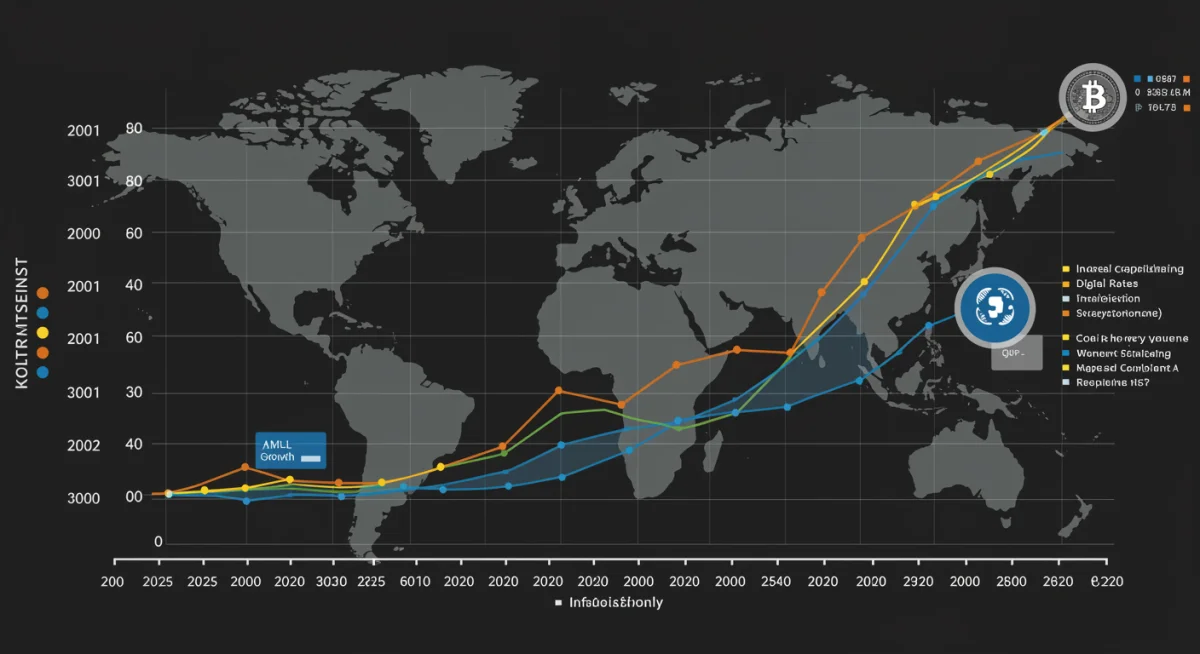
The Fed’s commitment to ongoing research and dialogue suggests that its policies will remain dynamic, evolving as the digital asset landscape matures. This adaptability is crucial in a rapidly changing technological environment, ensuring that regulations remain relevant and effective.
Key Trends to Watch Post-2026
Several key trends will shape the digital asset space following the Fed’s January 2026 pronouncements.
- Increased Institutional Adoption: With greater regulatory clarity, more traditional financial institutions are expected to enter the digital asset market, bringing increased liquidity and legitimacy.
- Refined Stablecoin Standards: Expect stricter regulatory standards for stablecoins, possibly requiring full backing and regular audits, to mitigate systemic risks.
- Global Regulatory Harmonization: Continued efforts towards international cooperation in digital asset regulation will aim to create a more unified global framework, reducing fragmentation and regulatory arbitrage.
- Focus on DeFi Regulation: As decentralized finance (DeFi) grows, regulators will increasingly turn their attention to this sector, seeking ways to apply existing principles of consumer protection and market integrity to novel, permissionless systems.
The January 2026 statements are merely the beginning of a long journey. The Federal Reserve is clearly positioning itself to be a key player in shaping the future of digital finance, balancing the promise of innovation with the imperative of financial stability. Stakeholders must remain agile and informed to navigate this evolving landscape effectively.
| Key Point | Brief Description |
|---|---|
| Evolving Stance | Fed moves from cautious observation to concrete regulatory intentions for digital assets. |
| Market Stability Focus | Emphasis on mitigating systemic risks from crypto volatility to protect traditional finance. |
| Regulatory Harmonization | Alignment with global efforts for consistent digital asset regulations to prevent arbitrage. |
| Technological Adaptation | Acknowledging blockchain’s potential while seeking scalability, security, and efficiency. |
Frequently Asked Questions About Fed’s Digital Asset Stance
The statements highlight the Fed’s move towards proactive regulation, emphasizing market stability, consumer protection, and the careful integration of digital assets into the financial system. They signal a more mature and structured approach to managing crypto risks and opportunities.
Investors can expect increased regulatory clarity, which may lead to greater institutional adoption and potentially reduced market volatility. However, stricter compliance requirements and oversight could also emerge, influencing investment strategies and product offerings.
While the statements acknowledge ongoing research into CBDCs and their potential benefits for payment efficiency and financial inclusion, they do not constitute a direct endorsement. The Fed remains cautious, weighing potential benefits against privacy and monetary policy implications.
The Fed is primarily concerned with potential systemic risks from crypto market volatility, the stability of stablecoin reserves, and the impact of digital assets on monetary policy effectiveness. They aim to prevent spillover effects into traditional finance.
The Fed’s detailed approach will likely contribute to global regulatory harmonization efforts. As a major financial power, the US’s stance often influences international standards, encouraging other nations to adopt similar comprehensive frameworks for digital assets.
Conclusion
The January 2026 Federal Reserve statements on digital assets mark a pivotal moment in the evolution of digital finance. Moving beyond initial caution, the Fed has articulated a clear, albeit measured, path forward that prioritizes financial stability, consumer protection, and responsible innovation. These pronouncements underscore the growing maturity of the digital asset market and the imperative for robust regulatory frameworks. As the lines between traditional finance and the crypto world continue to blur, the insights provided by the Federal Reserve will undoubtedly serve as a critical guide for all stakeholders navigating this dynamic and transformative landscape.