Anúncios
The very concept of value is undergoing a radical transformation. For centuries, assets were tangible things you could touch and see: gold bars, property deeds, stock certificates. But in an increasingly digital world, a new class of value has emerged, one that exists purely in lines of code and is secured by cutting-edge cryptography. This new frontier, encompassing everything from internet money to one-of-a-kind digital art, is redefining ownership, investment, and finance for a new generation.
This emerging ecosystem is broadly known as digital assets. While the term might immediately bring cryptocurrencies like Bitcoin to mind, that’s only scratching the surface. The reality is a vast and diverse landscape that includes unique digital collectibles (NFTs), tokens representing ownership of real-world items like real estate, and complex financial instruments built entirely on the blockchain. Understanding this spectrum is crucial for anyone looking to navigate the modern economy, as these assets are rapidly moving from a niche interest to a mainstream financial force.
Anúncios
This guide serves as your comprehensive map to this new territory. We will demystify the core concepts, starting with a clear definition of what constitutes a digital asset. From there, we’ll explore the major categories, from the foundational cryptocurrencies to the revolutionary world of tokenized assets. We’ll also break down the underlying blockchain technology that makes it all possible, and finally, weigh the immense opportunities against the significant risks to help you make informed decisions in this exciting and volatile space.
Understanding the Core: What Exactly Are Digital Assets?
Let’s start with the basics. A digital asset is essentially anything of value that exists in a purely digital format and comes with a right to use. Unlike a physical object you can hold, these assets live on computers or blockchains and are identified by unique data. While this can technically include digital photos or documents, the term most often describes assets secured by cryptography, such as cryptocurrencies.
Anúncios
The key difference from traditional assets, like real estate or gold, is their intangible nature and the technology that secures them. What gives many modern digital assets their power and value is the security provided by distributed ledgers, a concept covered in our Blockchain Technology Explained guide. This underlying tech makes them verifiable, secure, and often resistant to censorship or single points of failure.
At their core, these assets are defined by their digital existence and the rights they grant their owner. The definition of digital assets is broad, covering everything from well-known cryptocurrencies to unique, one-of-a-kind items known as non-fungible tokens. If you’re curious about these digital collectibles, our article on Understanding NFTs provides a great starting point.
The impact of digital assets is expanding far beyond simple ownership, forming the foundation for new financial ecosystems. Concepts like those in our Decentralized Finance (DeFi) Guide rely heavily on these new forms of value. Ultimately, their worth comes from a combination of programmed scarcity, utility, and the trust placed in their secure, digital framework.
Beyond Crypto: A Spectrum of Digital Asset Categories
When you hear the term digital assets, your mind probably jumps straight to Bitcoin. While cryptocurrencies are certainly the most famous players, they are just one part of a much broader and more fascinating ecosystem. The digital frontier is expanding to include unique collectibles, fractional ownership of real-world items, and new forms of financial instruments.
Understanding these different categories is key to grasping the full potential of blockchain technology. Each type of digital asset serves a distinct purpose, from acting as a store of value to representing ownership of a one-of-a-kind piece of art. Let’s break down the main groups you’ll encounter on your journey.
The Dominance of Cryptocurrencies: Bitcoin, Ethereum, and Beyond
Cryptocurrencies are the foundational layer of the digital asset world. These are digital or virtual tokens secured by cryptography, making them nearly impossible to counterfeit. Their decentralized nature means they are not controlled by any single entity, like a bank or government, which is a core principle of the technology detailed in our Blockchain Technology Explained guide.
Bitcoin (BTC) is the original cryptocurrency, often referred to as digital gold. Its primary function is a peer-to-peer electronic cash system and a store of value, thanks to its fixed supply. However, the innovation didn’t stop there. Ethereum (ETH) introduced the world to smart contracts, which are self-executing contracts with the terms of the agreement directly written into code, paving the way for complex applications.
This programmability is the engine behind the entire Decentralized Finance (DeFi) movement. Beyond these two giants, thousands of other cryptocurrencies, known as “altcoins,” exist. They often aim to improve on the original models or serve niche markets, creating a diverse landscape for those exploring different Cryptocurrency Investment Strategies.
NFTs: Digital Ownership Redefined
If cryptocurrencies are like digital money (fungible, meaning one Bitcoin is the same as another), then Non-Fungible Tokens (NFTs) are like digital collectibles. Each NFT is unique, verifiable, and cannot be replicated, creating true digital scarcity. They act as a digital certificate of authenticity and ownership recorded on a blockchain for everyone to see.
This simple concept has profound implications for creators and collectors alike. For the first time, ownership of a purely digital item can be proven without relying on a central company or server. If you want a deeper dive into the mechanics, our guide on Understanding NFTs covers the topic from the ground up.
Art, Collectibles, and Utility
The most explosive use case for NFTs has been in the world of digital art and collectibles. Artists can now sell their work directly to a global audience, embedding rules that grant them a percentage of all future sales automatically. This has created a new economy for creators who were previously limited by the physical gallery system.
Beyond art, NFTs have powered the market for digital collectibles, from unique avatars used as profile pictures to digital trading cards. But the utility of an NFT can go far beyond just owning an image. Many projects now offer utility NFTs, which grant holders special perks like access to exclusive online communities, tickets to events, or special items in video games.
Tokenized Securities and Real-World Assets
Perhaps the most transformative area for digital assets involves bringing tangible, off-chain items onto the blockchain. Tokenization is the process of converting the rights to an asset into a digital token. This can be applied to almost anything of value, from a share of company stock to a piece of real estate or a case of fine wine.
These are often called Real-World Assets (RWAs), and they represent a powerful bridge between the old and new financial worlds. Instead of a paper deed or a stock certificate sitting in a vault, your ownership is represented by a secure token in your digital wallet. This simple change unlocks a massive amount of efficiency and accessibility.
Bridging Traditional Finance and Blockchain
The benefits of tokenizing real-world assets are immense. One of the biggest advantages is fractional ownership, which allows high-value assets like commercial real estate to be divided into smaller, more affordable pieces. This opens up investment opportunities to a much wider audience than ever before.
Tokenization also dramatically increases liquidity, as these assets can be traded 24/7 on digital marketplaces rather than being bogged down by the slow, paperwork-heavy processes of traditional finance. By representing regulated financial instruments as tokens, we are seeing the lines between Wall Street and the blockchain blur. This fusion of traditional and decentralized finance is creating a more global, efficient, and transparent market for all.
| Asset Type | Primary Use Case | Key Characteristic |
|---|---|---|
| Cryptocurrencies | Medium of exchange, store of value, powering decentralized applications. | Fungible (interchangeable) and secured by cryptography on a decentralized network. |
| Non-Fungible Tokens (NFTs) | Representing unique ownership of digital or physical items (art, collectibles, access passes). | Non-fungible (unique and not interchangeable), providing verifiable digital scarcity. |
| Tokenized Securities & RWAs | Representing ownership of real-world assets (real estate, stocks, bonds) on the blockchain. | Bridges traditional finance with blockchain, enabling fractional ownership and increased liquidity. |
The Technology Underpinning Digital Assets: Blockchain and Beyond
At the heart of most digital assets lies a revolutionary innovation known as blockchain technology. Think of it as a digital record book, but instead of being held by one person or company, it’s shared across a vast network of computers. This structure, often called distributed ledger technology (DLT), makes the information incredibly resilient and difficult to tamper with, forming the foundation of trust in the digital world.
This decentralized nature is what sets it apart from traditional databases controlled by a single entity, like a bank or government. Every time a new transaction occurs, a new “block” of data is added to the “chain” in a way that is permanent and transparent. This system is the engine that powers everything from cryptocurrencies to more complex digital representations of real-world items.
How Blockchain Ensures Security and Transparency
You might wonder how a shared ledger can be secure. The magic lies in cryptography. Each block is cryptographically linked to the one before it, creating a chronological and unbreakable chain. Altering a single block would require changing every subsequent block across the entire network, a task that is practically impossible to achieve.
This intricate system provides unparalleled digital asset security. The decentralization means there is no single point of failure for hackers to target. Furthermore, the ledger is typically public, offering radical transparency; anyone can view the history of transactions, which builds confidence and accountability without revealing the real-world identities of the participants. A deeper dive into these mechanics can be found in our full guide on Blockchain Technology Explained.
The Role of Smart Contracts in Asset Automation
Beyond simply recording transactions, blockchains can also execute code through programs called smart contracts. These are self-executing contracts where the terms of an agreement are written directly into the code. Think of it like a digital vending machine: you put in the required coin (data or cryptocurrency), and the contract automatically dispenses the product (the asset or action).
Smart contracts are what make digital assets programmable and dynamic. They can automate complex processes like dividend payouts, insurance claims, or the transfer of ownership once certain conditions are met, all without needing a traditional intermediary. This automation is a cornerstone of the entire Decentralized Finance (DeFi) ecosystem, powering automated lending, borrowing, and trading platforms with incredible efficiency.
Navigating the Landscape: Opportunities and Risks of Digital Assets
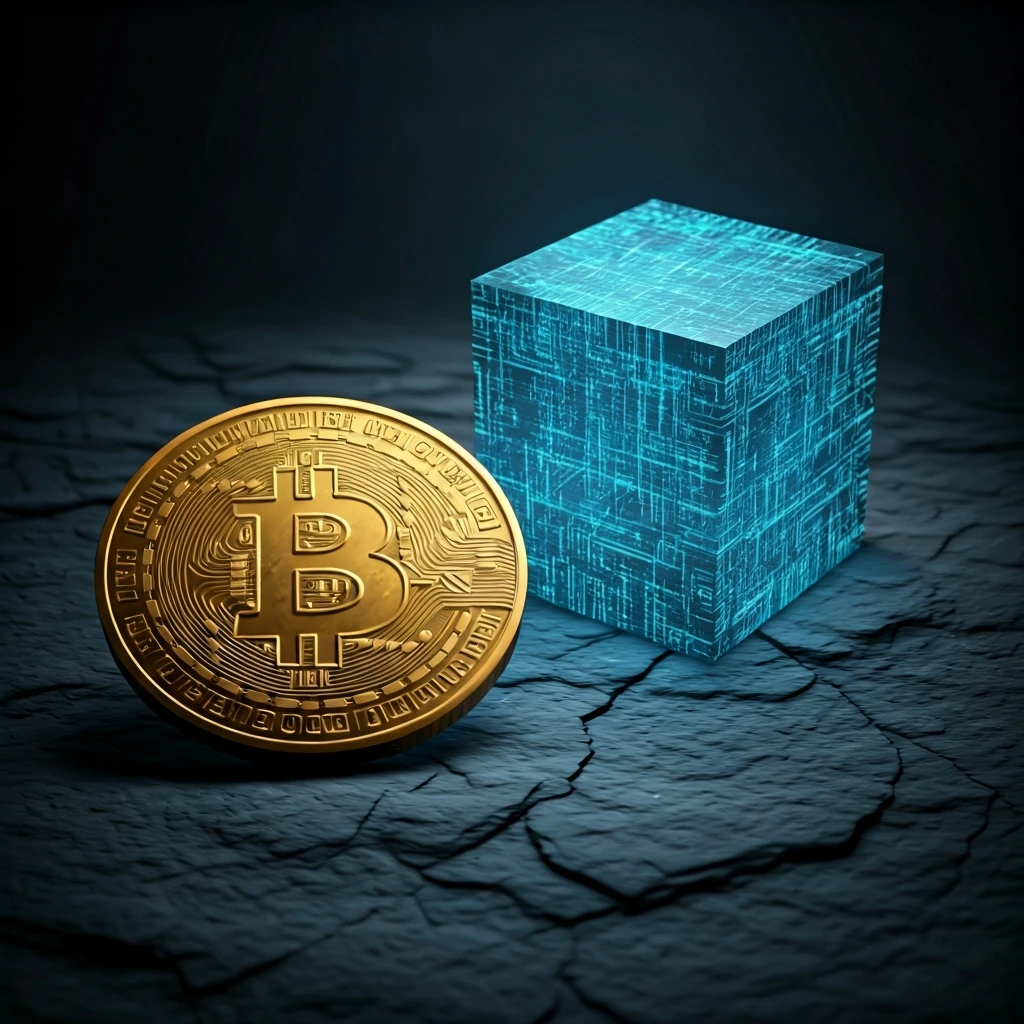
Jumping into the world of digital assets presents a thrilling, dual-sided coin of immense opportunity and significant risk. For both individual investors and large institutions, this new frontier offers pathways to wealth creation that were previously unimaginable. However, this same landscape is filled with potential pitfalls that demand careful navigation and a deep understanding of the underlying technology.
Success in this space requires a balanced perspective, acknowledging the incredible potential while respecting the inherent dangers. The rewards can be substantial, but they are directly proportional to the risks you are willing to undertake. Understanding this balance is the first step toward making informed decisions about your involvement with digital assets.
Unlocking New Investment Avenues and Financial Inclusion
One of the most powerful benefits of digital assets is their ability to democratize access to investments. Through tokenization, real-world assets like art, real estate, and even company equity can be divided into digital shares, allowing smaller investors to buy into markets once reserved for the ultra-wealthy. This fractional ownership model breaks down traditional financial barriers and creates more liquid markets for otherwise illiquid assets.
Beyond investment, digital assets are a powerful tool for financial inclusion. Billions of people worldwide lack access to basic banking services, but many have internet access via smartphones. Cryptocurrencies and decentralized applications offer a way to send, receive, and store value without needing a bank account, which is a core concept explored in any good Decentralized Finance (DeFi) Guide. This opens up global commerce and financial services to previously underserved populations.
Understanding Volatility and Market Manipulation
The most widely discussed risk in the digital asset space is extreme volatility. Prices can experience dramatic swings in very short periods, driven by news, social media sentiment, and broader market trends. While this volatility can lead to substantial gains, it can also result in significant losses, making it a challenging environment for those with a low risk tolerance.
Furthermore, many digital asset markets, especially those for smaller, less-established tokens, can be susceptible to market manipulation. Schemes like “pump and dump” operations, where influencers artificially inflate a price before selling off their holdings, are a genuine threat. Developing solid Cryptocurrency Investment Strategies is crucial for identifying these risks and protecting your portfolio from sudden downturns.
Cybersecurity Threats and Custody Concerns
The digital nature of these assets makes them a prime target for cybercriminals. Hacks on cryptocurrency exchanges, sophisticated phishing scams designed to steal private keys, and malware are persistent digital asset risks. Billions of dollars have been lost to security breaches, highlighting the absolute necessity of robust security practices for anyone interacting with this ecosystem.
This leads to the critical issue of custody—who holds and secures your assets. Storing assets on a centralized exchange is convenient but means you are trusting a third party with your funds, making you vulnerable if they get hacked. Alternatively, self-custody involves managing your own private keys, giving you full control but also full responsibility; if you lose your keys, your assets are gone forever. The principles behind this are rooted in how the network operates, a topic well-covered in resources explaining Blockchain Technology Explained.
The Evolving Regulatory Environment
Finally, the landscape of regulatory challenges is one of the biggest uncertainties facing digital assets. Governments and financial bodies around the world are still figuring out how to approach this new asset class. The rules can change quickly, with some nations embracing crypto while others impose strict limitations or outright bans.
This regulatory ambiguity creates both risk and opportunity. A sudden crackdown can negatively impact prices, while positive developments, like the approval of a Bitcoin ETF, can bring a flood of institutional capital and legitimacy to the market. This uncertainty affects all types of digital assets, and anyone interested in the space should be aware of how future regulations could impact everything from cryptocurrencies to digital collectibles, a subject often detailed when Understanding NFTs.
The Future Trajectory: Digital Assets Shaping the Global Economy
Looking ahead, the role of digital assets is set to expand far beyond niche investment circles. The groundwork is being laid for these assets to become integral components of the global financial system. This evolution is driven by increasing institutional adoption and a growing public understanding of their utility, signaling a major shift in how we perceive and interact with value itself.
The impact of this transformation will be felt across numerous industries, powered by the principles outlined in any good Blockchain Technology Explained guide. From creating transparent supply chains to securing medical records and empowering artists with new monetization tools, the applications are vast. The rise of Web3 is accelerating this trend, promising a more decentralized and user-centric internet where individuals have greater control over their data and digital identities.
Emerging digital asset trends also point toward the explosive growth of virtual economies, particularly within the metaverse. Assets like digital real estate, virtual fashion, and in-game items are becoming valuable commodities, often secured as unique tokens. This a concept that builds directly on the fundamentals of Understanding NFTs, creating new markets and opportunities for creators and investors alike.
Ultimately, the future trajectory suggests a world where digital ownership is as common and legally recognized as physical ownership. Innovations in decentralized finance are building a new financial infrastructure around these assets, making them more accessible and functional. As this integration continues, digital assets will fundamentally reshape commerce, creativity, and the very definition of an asset in the modern economy.
The Inevitable Integration of Digital Value
The journey from niche curiosity to a fundamental pillar of the global economy is well underway for digital assets. What began with a whitepaper for a peer-to-peer electronic cash system has blossomed into a multi-trillion dollar ecosystem that is fundamentally challenging our traditional notions of ownership, finance, and value itself. The evolution is no longer a question of ‘if’ but ‘when and how’ these assets will be fully integrated into our financial infrastructure.
As blockchain technology matures and regulatory frameworks become clearer, the distinction between ‘digital’ and ‘traditional’ assets will continue to blur. We are heading toward a hybrid future where tokenized real estate is traded as seamlessly as stocks, and decentralized financial protocols offer services once exclusive to brick-and-mortar banks. The key takeaway is that digital assets are not just a new investment class; they represent a paradigm shift towards a more transparent, efficient, and accessible global financial system. Understanding them today is the first step toward navigating the economy of tomorrow.
Frequently Asked Questions About Digital Assets
Are digital assets considered real money?
While some digital assets, like cryptocurrencies, can be used as a medium of exchange, they are not typically considered legal tender or ‘real money’ by most governments. Instead, tax authorities often classify them as property or a commodity. Their value is derived from supply and demand within their respective digital ecosystems rather than a government mandate.
What is the difference between a digital asset and a cryptocurrency?
‘Digital asset’ is a broad umbrella term for anything of value that exists in a digital format. A cryptocurrency is a specific type of digital asset that is secured by cryptography and designed to work as a decentralized medium of exchange. Therefore, all cryptocurrencies are digital assets, but not all digital assets are cryptocurrencies; the category also includes NFTs and tokenized securities.
How are digital assets stored securely?
Digital assets are stored in digital wallets, which can be software-based (‘hot wallets’) connected to the internet or hardware-based (‘cold wallets’) kept offline for maximum security. Access to the assets is controlled by a cryptographic ‘private key.’ The cardinal rule of security is to never share your private key and to use secure, offline storage for significant holdings to protect against hacks and theft.
Can anyone create a digital asset?
Yes, in principle, anyone with the right technical skills or access to the right platforms can create a digital asset. For example, developers can launch new cryptocurrencies, and artists can ‘mint’ their work as NFTs on various blockchain platforms. This accessibility has fueled a wave of innovation and creativity, but it also means investors must be cautious and perform due diligence on new projects.
What are the tax implications of owning digital assets?
The tax treatment of digital assets varies by country, but in many jurisdictions like the United States, they are treated as property. This means that selling, trading, or even using them to buy goods can be a taxable event, subject to capital gains or losses. It is crucial for owners to keep detailed records of their transactions and consult with a qualified tax professional to ensure compliance.