
The Rise of DePIN Altcoins: A Comprehensive Analysis of Their Potential 10x Impact on Digital Infrastructure by 2027
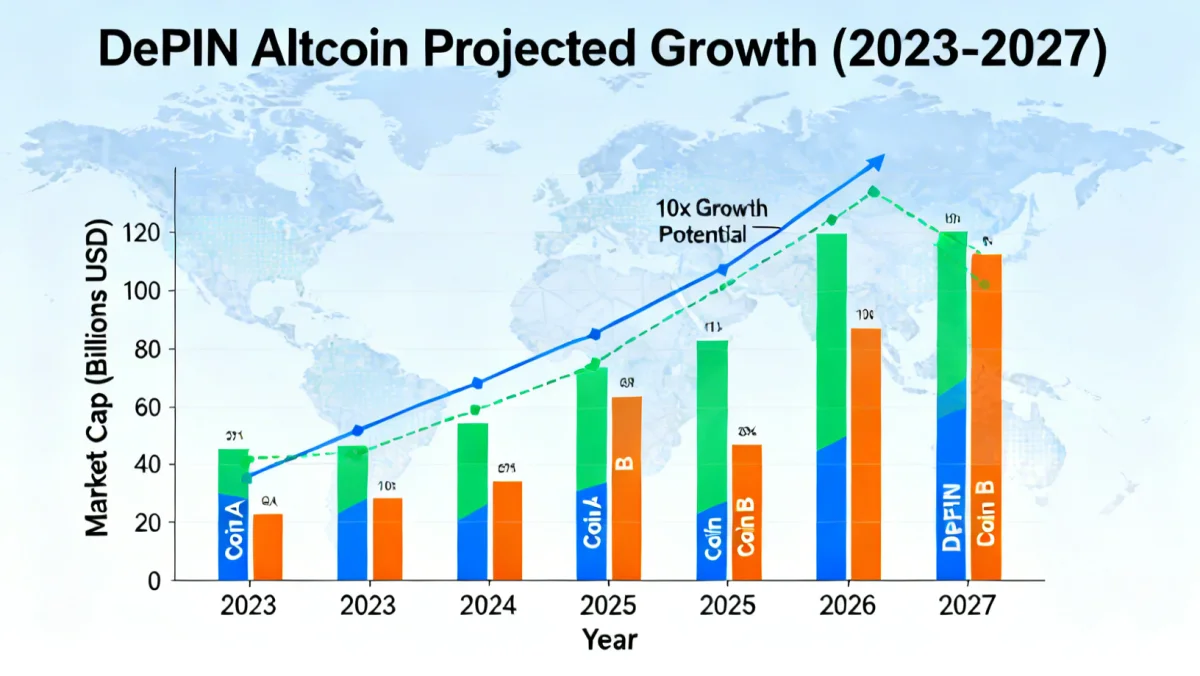
In the rapidly evolving landscape of blockchain technology and Web3, a new paradigm is emerging that promises to revolutionize how we build and interact with physical infrastructure. This paradigm is known as Decentralized Physical Infrastructure Networks, or DePINs. These networks leverage blockchain technology to incentivize individuals and organizations to contribute real-world resources, such as storage, computing power, and wireless connectivity, creating a more robust, resilient, and democratized digital ecosystem. The burgeoning sector of DePIN Altcoins Potential is capturing the attention of investors and technologists alike, with many analysts projecting significant, even 10x, growth by 2027.
The concept of DePINs is not just a theoretical construct; it’s a tangible movement that is already demonstrating its capacity to disrupt traditional centralized infrastructure models. By distributing ownership and operation of essential services, DePINs offer a compelling alternative that can reduce costs, enhance security, and increase accessibility. This article will delve deep into the intricacies of DePINs, explore the driving forces behind their anticipated growth, highlight key projects, and provide insights into the investment opportunities they present.
Understanding DePINs: The Foundation of Decentralized Infrastructure
At its core, a DePIN project aims to create a decentralized version of a physical infrastructure service. Think of it as a peer-to-peer network for physical resources. Instead of relying on a single, centralized entity to provide a service (like a telecommunications company providing internet or a cloud provider offering storage), DePINs enable a multitude of independent participants to contribute their resources to a collective network. These contributions are then verified and rewarded using blockchain-based tokens, creating a self-sustaining and incentivized ecosystem.
How Do DePINs Work?
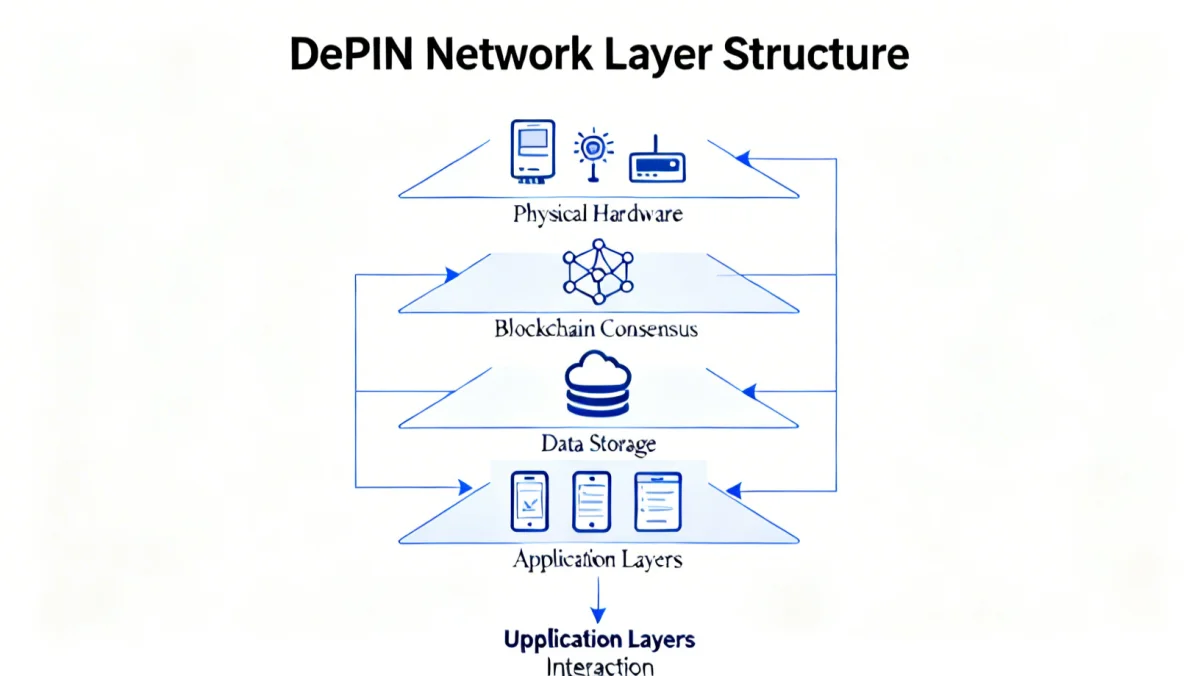
The operational mechanism of DePINs involves several key components:
- Physical Infrastructure Layer: This is where real-world assets and services reside. Examples include Wi-Fi hotspots, data storage devices, energy grids, or even sensor networks for environmental monitoring.
- Blockchain Layer: A blockchain acts as the immutable ledger for recording contributions, verifying service provision, and distributing rewards. It ensures transparency and trustlessness within the network.
- Tokenomics: Native cryptocurrencies or tokens are central to DePINs. They serve multiple purposes: incentivizing participants to contribute resources, paying for services within the network, and often granting governance rights. The design of these tokenomics is crucial for the long-term sustainability and growth of the network.
- Proof Mechanisms: To ensure the integrity and quality of the contributed resources, DePINs employ various proof mechanisms. For instance, a storage DePIN might use ‘Proof of Storage’ to verify that data is being stored correctly, while a wireless DePIN might use ‘Proof of Coverage’ to confirm network availability.
- Community Governance: Many DePINs are governed by their token holders, allowing the community to make decisions about the network’s development, upgrades, and future direction, further decentralizing control.
The synergy of these elements creates a powerful model that can overcome many of the limitations inherent in traditional centralized infrastructure. This innovative approach is a significant factor in the projected growth of DePIN Altcoins Potential.
Why DePINs are Poised for 10x Growth by 2027
Several converging factors indicate that DePINs are not just a passing trend but a foundational shift with immense growth potential. The 10x projection by 2027, while ambitious, is grounded in a strong understanding of market needs, technological advancements, and economic incentives.
Addressing Market Inefficiencies and Centralization Risks
Traditional infrastructure is often characterized by monopolies or oligopolies, leading to high costs, limited innovation, and a lack of resilience. Centralized systems are vulnerable to single points of failure, censorship, and data breaches. DePINs directly address these issues by:
- Lowering Costs: By pooling resources from a distributed network, DePINs can often offer services at a fraction of the cost of their centralized counterparts, as they eliminate the need for massive capital expenditure by a single entity.
- Increasing Resilience: A distributed network is inherently more resilient. If one node goes offline, the network can continue to function seamlessly, ensuring continuous service availability.
- Promoting Innovation: The open and permissionless nature of DePINs fosters innovation, allowing anyone to contribute to and build upon the network.
- Enhancing Security and Privacy: Decentralization reduces the risk of single points of attack and can improve data privacy by distributing data across multiple nodes rather than centralizing it.
Growing Demand for Web3 and Decentralized Services
The broader trend towards Web3 – a decentralized internet powered by blockchain – is a major tailwind for DePINs. As more applications and services migrate to Web3, the demand for decentralized storage, computing, and connectivity will skyrocket. DePINs are uniquely positioned to provide this foundational layer, making them indispensable for the future of the internet. This increasing demand directly fuels the DePIN Altcoins Potential.
Technological Maturity and Interoperability
Blockchain technology has matured significantly, with advancements in scalability, security, and interoperability making DePINs more feasible than ever before. Layer 2 solutions, cross-chain bridges, and more efficient consensus mechanisms are enabling DePINs to handle large volumes of transactions and interact seamlessly with other blockchain networks. This technological readiness is a critical ingredient for widespread adoption and substantial growth.
Powerful Economic Incentives
The tokenomics of DePINs create a powerful incentive loop. Participants are rewarded for contributing resources, which in turn attracts more contributors, leading to a more robust network. As the network grows and demand for its services increases, the value of the native token can appreciate, further incentivizing participation. This virtuous cycle is a key driver of the projected 10x growth for DePIN Altcoins Potential.
Key DePIN Sectors and Promising Altcoins
The DePIN ecosystem is diverse, encompassing various sectors that address different infrastructure needs. Understanding these categories is crucial for identifying promising investment opportunities within the DePIN Altcoins Potential landscape.
1. Decentralized Storage Networks
These networks provide decentralized cloud storage solutions, offering a more secure, private, and often cheaper alternative to centralized providers like Amazon S3 or Google Cloud Storage. They leverage unused storage space from individuals and businesses worldwide.
- Filecoin (FIL): A leading decentralized storage network that allows users to rent out their unused storage space. It’s a well-established project with a robust ecosystem.
- Arweave (AR): Focuses on permanent data storage, aiming to preserve humanity’s knowledge indefinitely. Its ‘pay once, store forever’ model is unique and highly valuable for archival purposes.
- Storj (STORJ): Offers secure, private, and decentralized cloud storage. It encrypts and shards data across a global network of nodes, enhancing security and accessibility.
2. Decentralized Wireless Networks (DeWi)
DeWi projects aim to build community-owned and operated wireless networks, challenging traditional telecom giants. By incentivizing individuals to deploy and operate hotspots, they create more extensive and affordable coverage.
- Helium (HNT): Perhaps the most well-known DeWi project, Helium has built a global decentralized wireless network for IoT devices. It rewards users for providing network coverage.
- Mobee (MOBEE): Focused on building a decentralized 5G network, allowing individuals to earn rewards by hosting small cell nodes.
3. Decentralized Compute Networks
These networks provide access to distributed computing power, allowing users to rent out their idle GPUs or CPUs for tasks like rendering, scientific simulations, or AI model training.
- Render Network (RNDR): A leading decentralized GPU rendering network that connects artists and studios with idle GPU power. Its utility is growing with the rise of metaverse and AI content creation.
- Akash Network (AKT): A decentralized cloud computing marketplace that allows users to deploy applications on a global network of servers. It offers a cost-effective and censorship-resistant alternative to traditional cloud providers.
4. Decentralized Energy Networks
DePINs are also emerging in the energy sector, enabling peer-to-peer energy trading and management, fostering more efficient and sustainable energy grids.
- Power Ledger (POWR): Facilitates peer-to-peer trading of renewable energy, enabling consumers to buy and sell surplus solar power.
5. Decentralized Sensor Networks
These networks leverage distributed sensors to collect and share environmental data, traffic information, or other real-world data, providing valuable insights for various applications.
- DIMO (DIMO): Building a decentralized network for connected car data, allowing drivers to monetize their vehicle data and developers to build new applications.
Investment Considerations for DePIN Altcoins Potential
While the DePIN Altcoins Potential for 10x growth is exciting, investing in this nascent sector requires careful consideration and due diligence. Here are some factors to evaluate:
1. Technology and Use Case
Understand the underlying technology and the real-world problem the DePIN project aims to solve. Is the use case compelling and does it offer a clear advantage over existing centralized solutions? A strong use case is fundamental to long-term adoption and value appreciation.
2. Tokenomics and Incentives
Analyze the project’s tokenomics. Is the token distribution fair? Are the incentives well-designed to encourage participation and discourage malicious behavior? A sustainable tokenomics model is crucial for the network’s health and the token’s value.
3. Team and Community
A strong, experienced team with a proven track record is vital. Equally important is a vibrant and engaged community, as DePINs rely heavily on decentralized participation. Active development and community involvement are positive indicators.
4. Network Adoption and Growth
Look for projects that are demonstrating real-world adoption. How many nodes are active? How much service is being provided? Growing network usage directly translates to increased demand for the native token.
5. Competition and Market Position
Evaluate the competitive landscape. How does the DePIN project differentiate itself from competitors, both centralized and decentralized? A clear competitive advantage and a strong market position are key for sustainable growth.
6. Regulatory Environment
The regulatory landscape for cryptocurrencies and decentralized technologies is still evolving. Be aware of potential regulatory risks that could impact DePIN projects, particularly those dealing with physical infrastructure.
Challenges and Risks
Despite the immense promise, DePINs face several challenges that investors should be aware of:
- Scalability: While blockchain technology has made strides, scaling decentralized physical infrastructure to meet global demand remains a significant hurdle.
- Bootstrapping Networks: Attracting enough initial participants to build a robust and functional network can be challenging. Many projects use aggressive token incentives to overcome this.
- Quality Control: Ensuring the quality and reliability of services provided by a decentralized network of independent contributors can be complex. Robust proof mechanisms are essential.
- Regulatory Uncertainty: The novel nature of DePINs means they often operate in a grey area concerning existing regulations, which could lead to future challenges.
- Competition from Centralized Giants: Established centralized infrastructure providers have vast resources and market dominance, posing a significant competitive threat.
Navigating these challenges will be crucial for DePINs to realize their full DePIN Altcoins Potential.
The Future Outlook: Beyond 2027
The 10x projection for DePIN Altcoins Potential by 2027 is just the beginning. If DePINs successfully overcome their current challenges and continue to innovate, their long-term impact could be even more profound. Imagine a world where:
- Global Internet Access: Decentralized wireless networks provide affordable and uncensored internet access to underserved regions worldwide.
- Resilient Data Infrastructure: Data is stored and processed across a global network of independent nodes, making it virtually impossible to censor or lose.
- Sustainable Energy Grids: Local communities can generate, trade, and manage their own clean energy, leading to a more efficient and sustainable power grid.
- Smart Cities: Decentralized sensor networks provide real-time data for smart city applications, from traffic management to environmental monitoring, all owned and operated by the community.
These visions are not far-fetched. They represent the logical progression of DePIN technology. As more individuals and businesses recognize the benefits of decentralized infrastructure, the adoption curve will steepen, driving further innovation and value creation within the DePIN ecosystem. The shift from centralized, proprietary infrastructure to decentralized, community-owned networks represents a fundamental change in how we build and manage the digital and physical world.
Conclusion: A New Era of Infrastructure
The emergence of Decentralized Physical Infrastructure Networks (DePINs) marks a pivotal moment in the evolution of digital infrastructure. By combining the power of blockchain with real-world physical resources, DePINs are creating a more efficient, resilient, and equitable future. The projected 10x growth for DePIN Altcoins Potential by 2027 is a testament to the transformative power of this technology and the pressing need for decentralized alternatives to traditional services.
While risks and challenges remain, the fundamental value proposition of DePINs – lower costs, increased resilience, enhanced security, and democratic ownership – is too compelling to ignore. For investors, DePIN altcoins represent a unique opportunity to participate in the foundational layer of Web3 and the next generation of physical infrastructure. As the world increasingly moves towards decentralization, DePINs are set to become an indispensable component of our digital future, offering not just financial returns but also contributing to a more open and robust global infrastructure.
Thorough research, a deep understanding of individual project fundamentals, and a long-term perspective will be key for those looking to capitalize on this revolutionary trend. The journey to a decentralized future is just beginning, and DePINs are leading the charge.