
Regulated Bitcoin ETFs in the US provide investors with a streamlined and secure avenue to integrate Bitcoin exposure into traditional investment portfolios, leveraging professional management and market liquidity for strategic asset growth.
The landscape of investment is constantly evolving, and few developments have captured as much attention recently as the emergence of Bitcoin ETFs in the US. These innovative financial products offer a regulated and accessible way for both institutional and retail investors to gain exposure to Bitcoin’s price movements without directly owning the cryptocurrency. As we look towards 2026, understanding how to strategically integrate these ETFs into your portfolio, armed with the latest data and insights, becomes paramount. This article aims to cut through the noise, providing a clear roadmap for optimizing your investment strategy with Bitcoin ETFs, ensuring you’re well-prepared for the opportunities and challenges ahead.
The rise of Bitcoin ETFs in the US market
The introduction of Bitcoin Exchange-Traded Funds (ETFs) in the United States marked a significant milestone for the cryptocurrency industry, bridging the gap between traditional finance and digital assets. This regulatory approval has opened doors for a broader range of investors, providing a more familiar and regulated vehicle to participate in the Bitcoin market. Prior to ETFs, direct Bitcoin investment often involved navigating complex exchanges, self-custody solutions, or less regulated avenues, posing significant barriers for many.
The approval of spot Bitcoin ETFs, in particular, was a game-changer. Unlike futures-based ETFs, which track Bitcoin’s price through futures contracts, spot ETFs directly hold Bitcoin, offering a more direct price correlation. This development has been met with considerable enthusiasm, leading to substantial inflows of capital and increasing the legitimacy of Bitcoin as a serious asset class within mainstream financial circles. The market has responded positively, with many analysts predicting continued growth and innovation in this sector.
Understanding spot vs. futures ETFs
- Spot Bitcoin ETFs: These funds directly hold actual Bitcoin, providing investors with direct exposure to Bitcoin’s real-time price movements. They aim to track the price of Bitcoin as closely as possible.
- Futures Bitcoin ETFs: These funds invest in Bitcoin futures contracts, which are agreements to buy or sell Bitcoin at a predetermined price on a specific future date. While they offer exposure, their performance can sometimes deviate from the spot price due to contango or backwardation in the futures market.
- Regulatory Framework: The SEC’s approval of spot Bitcoin ETFs in early 2024 was a landmark event, signaling a maturing regulatory stance towards digital assets, albeit with ongoing scrutiny.
The operational mechanics of these ETFs are designed to offer simplicity and security. Investors can buy and sell ETF shares on traditional stock exchanges, just like any other stock. This eliminates the need for managing private keys, setting up crypto wallets, or dealing with the intricacies of cryptocurrency exchanges, making it an attractive option for those new to digital assets or preferring a traditional investment approach. The ease of access and regulatory oversight are key drivers behind their growing popularity.
Looking ahead to 2026, the market for Bitcoin ETFs is expected to further mature. We anticipate increased competition among providers, potentially leading to lower expense ratios and more diversified product offerings. This evolution will likely solidify Bitcoin ETFs as a staple in many investment portfolios, offering a robust and regulated pathway to digital asset exposure.
Strategic allocation: integrating Bitcoin ETFs into your portfolio
Integrating Bitcoin ETFs in the US into an investment portfolio requires a thoughtful and strategic approach. It’s not merely about buying shares; it’s about understanding how this new asset class interacts with your existing holdings and overall financial goals. The primary benefit of adding Bitcoin ETFs is diversification, as Bitcoin’s price movements often exhibit a low correlation with traditional assets like stocks and bonds, especially during certain market cycles. This can potentially reduce overall portfolio volatility and enhance risk-adjusted returns.
However, Bitcoin’s inherent volatility means that allocation should be carefully considered. A common strategy involves allocating a small percentage of the portfolio, typically between 1% and 5%, to Bitcoin or Bitcoin ETFs. This allows investors to capture potential upside growth while limiting exposure to significant downturns. The specific allocation will depend on an individual’s risk tolerance, investment horizon, and existing portfolio composition.
Factors influencing allocation decisions
- Risk Tolerance: High volatility of Bitcoin necessitates a clear understanding of personal risk appetite. Conservative investors might opt for lower allocations, while aggressive investors might consider higher percentages.
- Investment Horizon: Long-term investors may be better positioned to weather Bitcoin’s price fluctuations, benefiting from its potential for substantial growth over several years.
- Portfolio Diversification: Assess how Bitcoin ETFs complement your current assets. Look for assets with low correlation to maximize diversification benefits.
- Market Outlook: Stay informed about market sentiment and expert predictions for Bitcoin’s performance, but always conduct your own due diligence.
Beyond diversification, Bitcoin ETFs offer liquidity and ease of trading. Unlike direct Bitcoin holdings, which can sometimes be subject to withdrawal limits or platform-specific trading hours, ETFs trade during standard market hours, providing flexibility. Furthermore, the regulatory oversight associated with ETFs provides a layer of security and transparency that can be appealing to investors accustomed to traditional financial products. This makes them an ideal choice for those seeking exposure without the operational complexities of direct cryptocurrency ownership.
As we move towards 2026, investors should continuously re-evaluate their allocation strategies based on market performance, regulatory changes, and their personal financial situation. Regular rebalancing can help maintain the desired risk exposure and ensure that the Bitcoin ETF component continues to serve its intended purpose within the broader portfolio.
Performance analysis and market trends for 2026
Analyzing the performance of Bitcoin ETFs in the US and understanding market trends is crucial for informed decision-making, particularly as we look towards 2026. Since their inception, these ETFs have demonstrated a strong correlation with Bitcoin’s spot price, largely fulfilling their objective of providing direct exposure. However, their performance is also influenced by broader market dynamics, investor sentiment, and global macroeconomic factors.
Initial data from the first few years of Bitcoin ETFs’ existence shows significant trading volumes and substantial Assets Under Management (AUM), indicating robust investor interest. This strong start suggests a sustained demand for regulated crypto investment products. For 2026, analysts widely anticipate continued growth, driven by increasing institutional adoption and a more widespread understanding of Bitcoin’s role in a diversified portfolio.
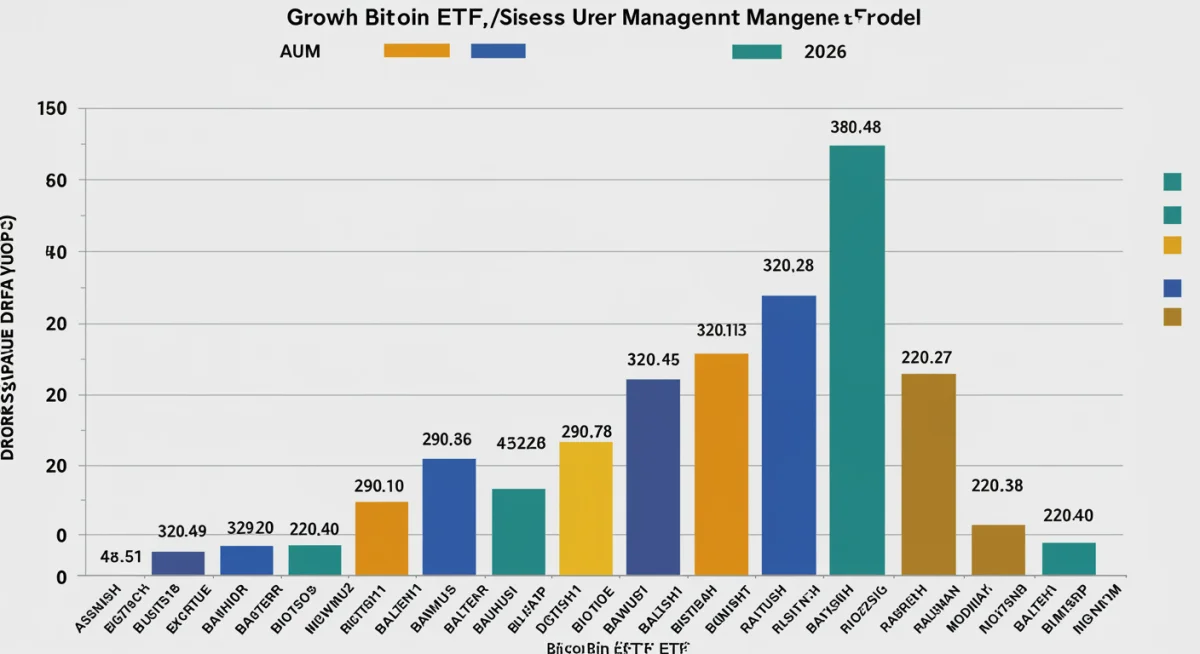
Several key trends are expected to shape the performance of Bitcoin ETFs leading up to and throughout 2026. Regulatory clarity, while improved, will remain a significant factor. Further guidance from the SEC and other global financial bodies could either accelerate adoption or introduce new considerations for investors. Technological advancements within the Bitcoin network, such as scaling solutions, could also impact its price and, consequently, ETF performance.
Key market trends to watch
- Regulatory Evolution: Ongoing discussions and potential new regulations from the SEC and other bodies will influence market sentiment and ETF structure.
- Institutional Inflows: Continued interest from large financial institutions and corporations could drive significant capital into Bitcoin ETFs.
- Macroeconomic Conditions: Global inflation rates, interest rate policies, and geopolitical events will likely affect Bitcoin’s appeal as a store of value or a risk asset.
- Technological Developments: Upgrades to the Bitcoin protocol and broader cryptocurrency ecosystem could impact its utility and adoption.
Furthermore, competition among ETF providers is likely to intensify. This could lead to more competitive fee structures and potentially innovative product offerings, such as actively managed Bitcoin ETFs or those that incorporate other digital assets. Investors should monitor these developments closely, as lower fees can significantly impact long-term returns. Understanding these trends will allow investors to adjust their strategies and make informed decisions about their Bitcoin ETF holdings.
Ultimately, while past performance is not indicative of future results, the foundational data and emerging trends suggest a promising outlook for Bitcoin ETFs. By staying abreast of these developments, investors can better position themselves to capitalize on the evolving digital asset landscape.
Regulatory landscape: what to expect by 2026
The regulatory environment surrounding Bitcoin ETFs in the US is a dynamic and critical component of their long-term viability and investor appeal. While the initial approval of spot Bitcoin ETFs marked a significant shift, the regulatory landscape is far from static. By 2026, we can anticipate further evolution in how digital assets, and specifically Bitcoin ETFs, are governed and supervised.
The Securities and Exchange Commission (SEC) will likely continue to play a central role, focusing on investor protection, market integrity, and preventing illicit activities. This could manifest in more detailed reporting requirements for ETF providers, stricter rules around custody, and potentially new guidelines for marketing and investor education. The goal will be to ensure that these products operate within a framework that mirrors traditional financial instruments as closely as possible, instilling greater confidence among a wider investor base.
Beyond the SEC, other governmental bodies and international organizations may also contribute to shaping the regulatory future. The Treasury Department, for instance, might issue further guidance on anti-money laundering (AML) and know-your-customer (KYC) compliance, impacting how Bitcoin ETFs interact with the broader financial system. Global harmonization of crypto regulations could also emerge, influencing cross-border investment flows and product development.
Potential regulatory developments
- Enhanced Disclosure: Expect more stringent requirements for ETF issuers regarding their Bitcoin holdings, valuation methodologies, and risk disclosures.
- Custody Standards: The SEC may introduce clearer guidelines or mandate specific types of custodians for the underlying Bitcoin held by ETFs.
- Taxation Clarity: The IRS might provide more explicit guidance on the taxation of gains and losses from Bitcoin ETFs, simplifying compliance for investors.
- International Collaboration: Increased efforts to establish common regulatory standards across different jurisdictions could impact global crypto markets.
The political climate will also influence regulatory decisions. As cryptocurrency becomes a more mainstream topic, policymakers may feel pressure from various stakeholders to either promote innovation or impose stricter controls. This push and pull could lead to a nuanced regulatory approach that seeks to balance growth with consumer protection.
For investors, staying informed about these regulatory shifts is paramount. Regulatory changes can impact the operational costs of ETFs, their liquidity, and even their eligibility for certain types of accounts. By understanding the evolving rules, investors can make more informed decisions about their holdings and anticipate potential impacts on their portfolios.
Risk management and due diligence for ETF investors
Investing in Bitcoin ETFs in the US, while offering significant advantages, is not without its risks. Effective risk management and thorough due diligence are essential for any investor considering these products, especially as the market matures towards 2026. The inherent volatility of Bitcoin remains a primary concern, meaning that the value of ETF shares can fluctuate significantly over short periods.
Beyond price volatility, investors must also consider operational risks. While ETFs are regulated, they are still subject to the operational integrity of their issuers and custodians. Issues such as cybersecurity breaches, technical failures, or even mismanagement of the underlying Bitcoin could impact the ETF’s performance and investor capital. Therefore, choosing reputable and well-established ETF providers becomes a critical aspect of due diligence.
Key areas for due diligence
- Issuer Reputation: Research the track record and financial stability of the ETF provider. Opt for issuers with a strong history in managing traditional and digital asset funds.
- Expense Ratios: Compare the annual fees (expense ratios) charged by different ETFs. Lower fees can significantly impact long-term returns.
- Tracking Error: Assess how closely the ETF’s price tracks the underlying Bitcoin spot price. A lower tracking error indicates better performance alignment.
- Custody Solutions: Understand the custody arrangements for the ETF’s underlying Bitcoin. Look for secure, audited, and insured cold storage solutions.
- Liquidity: Consider the trading volume and liquidity of the ETF. Higher liquidity ensures easier entry and exit points without significant price impact.
Furthermore, regulatory risk continues to be a factor. While current regulations provide a framework, future changes could introduce new compliance burdens or alter the characteristics of these investment vehicles. Investors should stay informed about any proposed or enacted legislation that could affect Bitcoin ETFs. Market manipulation, though mitigated by regulatory oversight, also remains a potential risk in the broader crypto ecosystem, which can indirectly affect ETF performance.
Investors should also be aware of the tax implications of investing in Bitcoin ETFs. While specific rules can vary, understanding how capital gains and losses are treated is crucial for financial planning. Consulting with a financial advisor and tax professional can help navigate these complexities and ensure compliance. By thoroughly addressing these risk factors and conducting comprehensive due diligence, investors can better protect their capital and make more informed decisions about their Bitcoin ETF investments.
The future of Bitcoin ETFs and digital asset integration
The future of Bitcoin ETFs in the US, extending beyond 2026, is poised for significant innovation and deeper integration into the broader financial ecosystem. As institutional comfort with digital assets grows and regulatory frameworks become more refined, we can expect a new generation of products and investment strategies to emerge. This evolution will likely cater to a wider array of investor needs and risk profiles, further legitimizing digital assets as a core component of modern portfolios.
One key area of development could be the introduction of more complex Bitcoin ETF products. This might include actively managed ETFs that employ sophisticated trading strategies, or those that combine Bitcoin exposure with other digital assets or traditional securities. Such innovations would offer investors more nuanced ways to gain exposure to the crypto market, moving beyond simple spot price tracking.
Another significant trend will be the increased integration of digital asset data and analytics into traditional financial platforms. This means better tools for investors to research, analyze, and manage their Bitcoin ETF holdings alongside their other investments. Enhanced data transparency and predictive analytics will empower investors to make more strategic decisions, optimizing their portfolios with greater precision.
Anticipated future developments
- Multi-Asset Crypto ETFs: Future ETFs might include a basket of cryptocurrencies, offering diversified exposure beyond just Bitcoin.
- Leveraged/Inverse ETFs: While higher risk, specialized ETFs offering leveraged or inverse exposure to Bitcoin could emerge for sophisticated traders.
- ESG Considerations: As sustainability becomes more critical, ETFs might emerge that focus on ‘green’ Bitcoin mining or other environmentally conscious crypto initiatives.
- Global Expansion: Increased regulatory approvals in other major financial markets could lead to greater global liquidity and arbitrage opportunities for Bitcoin ETFs.
Education will also play a crucial role. As new products emerge, there will be a greater need for investors to understand the underlying technology, market dynamics, and associated risks. Financial advisors will increasingly need to be well-versed in digital assets to guide their clients effectively, ensuring that Bitcoin ETFs are utilized appropriately within their financial plans.
Ultimately, the trajectory points towards a future where digital assets are no longer considered niche but are seamlessly integrated into mainstream investment portfolios. Bitcoin ETFs are at the forefront of this transformation, acting as a crucial bridge. By 2026 and beyond, their role in democratizing access to Bitcoin and fostering a more dynamic investment landscape will only continue to grow.
| Key Point | Brief Description |
|---|---|
| Spot vs. Futures ETFs | Spot ETFs directly hold Bitcoin; Futures ETFs track contracts, offering different exposure levels. |
| Strategic Allocation | Integrate Bitcoin ETFs for diversification, typically 1-5% of a portfolio, based on risk tolerance. |
| Regulatory Outlook 2026 | Expect more refined SEC guidance, enhanced disclosures, and potential international harmonization. |
| Risk & Due Diligence | Address volatility, operational risks, and regulatory changes; research issuer, fees, and custody. |
Frequently asked questions about Bitcoin ETFs
Bitcoin ETFs offer a regulated, accessible, and often more secure way to gain exposure to Bitcoin’s price movements without the complexities of self-custody, managing private keys, or navigating specialized crypto exchanges. They trade on traditional stock markets.
Spot Bitcoin ETFs directly hold actual Bitcoin, aiming for a direct correlation with its real-time market price. Futures Bitcoin ETFs, conversely, invest in futures contracts, which can lead to price discrepancies due to market dynamics like contango or backwardation.
The ideal allocation varies significantly based on individual risk tolerance and investment goals. However, a common recommendation for diversification benefits, given Bitcoin’s volatility, is typically between 1% and 5% of a total investment portfolio.
Key risks include Bitcoin’s high price volatility, operational risks related to the ETF issuer and custody, and evolving regulatory environments. Investors should also consider potential tracking errors and cybersecurity threats to the underlying assets.
By 2026, we anticipate more refined regulatory guidance from the SEC, potentially leading to enhanced disclosure requirements, stricter custody standards, and clearer tax treatment. Global regulatory harmonization efforts may also influence the market.
Conclusion
The emergence and rapid growth of Bitcoin ETFs in the US represent a transformative moment for both the cryptocurrency and traditional finance sectors. As we navigate towards 2026, these regulated investment vehicles are increasingly becoming a cornerstone for investors looking to optimize their portfolios with digital asset exposure. The insights provided, from understanding the nuances of spot versus futures ETFs to strategic allocation, performance analysis, and crucial risk management, underscore the importance of an informed approach. The evolving regulatory landscape and anticipated market trends suggest a future where Bitcoin ETFs are not just a niche product but an integral part of diversified investment strategies. By staying vigilant, conducting thorough due diligence, and adapting to new data, investors can harness the potential of Bitcoin ETFs to enhance their financial objectives in the years to come.