Post-Halving Altcoin Trends: 20% Price Swings by 2026
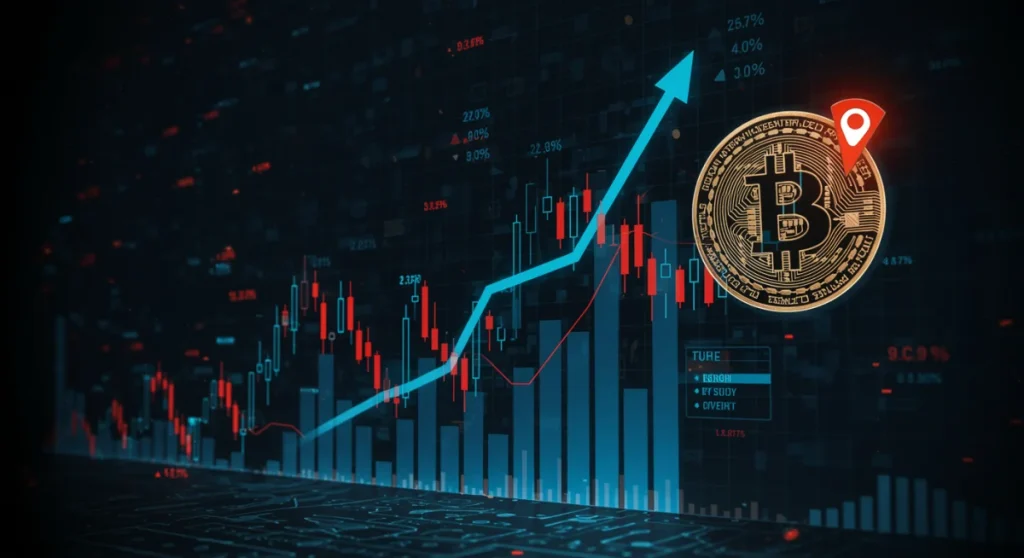
Following Bitcoin halving events, altcoin markets often experience significant volatility and growth; this analysis delves into data-driven projections for potential 20% price swings by year-end 2026.
The cryptocurrency landscape is perpetually dynamic, with Bitcoin halving events historically serving as pivotal catalysts for market shifts. This article delves into Post-Halving Altcoin Trends, offering a data-driven analysis of potential 20% price swings by year-end 2026, and exploring the underlying factors influencing these significant market movements.
Understanding the Halving’s Impact on Altcoins
Bitcoin’s halving, a programmed event that reduces the reward for mining new blocks by half, has consistently been a precursor to significant market rallies. While directly impacting Bitcoin’s supply, its effects ripple through the entire cryptocurrency ecosystem, profoundly influencing altcoin performance.
Historically, the period following a Bitcoin halving has often been characterized by increased investor interest, heightened market liquidity, and a general bullish sentiment that extends beyond Bitcoin to the broader altcoin market. This phenomenon is not coincidental; it stems from several interconnected economic and psychological factors.
Supply Shock and Demand Dynamics
The reduction in new Bitcoin supply creates a scarcity effect, which, assuming stable or increasing demand, naturally pushes Bitcoin’s price upward. This price appreciation often leads to a rotation of capital from Bitcoin into altcoins as investors seek higher returns in assets with smaller market caps and greater growth potential.
- Reduced Supply: Bitcoin’s halving limits the rate at which new BTC enters circulation, creating a supply shock.
- Increased Demand: Growing mainstream awareness and institutional adoption fuel demand for cryptocurrencies.
- Capital Rotation: Profits from Bitcoin often flow into altcoins, driving their prices up.
Market Sentiment and Speculation
Beyond fundamental supply-demand dynamics, market sentiment plays a crucial role. Historical patterns create a self-fulfilling prophecy where investors anticipate a post-halving bull run, leading to increased buying pressure across the board. This speculative fervor can amplify price movements, especially in the more volatile altcoin sector.
Moreover, the influx of new capital and attention often shines a spotlight on promising altcoin projects, attracting both retail and institutional investors looking for the next big opportunity. This heightened interest can lead to rapid price appreciation, sometimes disproportionate to the underlying fundamentals in the short term.
In conclusion, the Bitcoin halving acts as a powerful catalyst, initiating a chain reaction that boosts Bitcoin’s value, encourages capital rotation into altcoins, and fuels a positive market sentiment. These combined forces lay the groundwork for the significant price swings often observed in the altcoin market in the years following a halving event.
Data-Driven Projections: Analyzing Past Cycles
To anticipate future altcoin performance, a critical examination of past post-halving cycles is indispensable. Historical data provides valuable insights into how altcoins have reacted to Bitcoin’s supply shocks, revealing patterns that can inform our projections for year-end 2026.
Previous halvings in 2012, 2016, and 2020 all preceded substantial bull markets for altcoins. While each cycle possesses unique characteristics, a common thread has been the significant appreciation of various altcoins, often outperforming Bitcoin in percentage gains during the peak of the bull run.
Key Metrics from Previous Halvings
Analyzing the performance of top altcoins in the 12-24 months following each halving event reveals consistent trends. For example, in the 2016-2017 cycle, many altcoins saw gains exceeding 1,000%, with some even reaching 10,000% or more. Similarly, the 2020-2021 cycle witnessed explosive growth in DeFi tokens, NFTs, and other emerging sectors.
- 2012 Halving: Preceded a massive bull run in 2013, with early altcoins seeing exponential growth.
- 2016 Halving: Led to the 2017 altcoin boom, characterized by significant gains across the board.
- 2020 Halving: Sparked the 2021 rally, highlighting DeFi and NFT sectors.
Identifying Common Growth Catalysts
Beyond the general market uplift, certain factors consistently contribute to specific altcoins’ outperformance. These include strong development teams, innovative technology, growing user adoption, and strategic partnerships. Projects that demonstrate real-world utility and solve existing problems tend to attract sustained interest.
Furthermore, the emergence of new narratives or technological advancements, such as layer-2 solutions, interoperability protocols, and decentralized autonomous organizations (DAOs), often creates new opportunities for altcoins to capture market share and experience rapid growth. The ability of a project to adapt and innovate within the evolving crypto landscape is crucial.
By meticulously examining these historical data points and identifying recurring patterns, we can construct more informed projections. While past performance is not indicative of future results, understanding these cycles provides a robust framework for anticipating potential 20% price swings and beyond for altcoins by year-end 2026.
Factors Influencing 20% Price Swings by 2026
Projecting a 20% price swing for altcoins by year-end 2026 requires a comprehensive understanding of the various macro and micro factors at play. These influences range from global economic conditions to specific technological advancements within the crypto space, all contributing to market volatility and potential growth.
The cryptocurrency market does not operate in a vacuum; it is susceptible to broader economic trends, regulatory changes, and shifts in investor sentiment. Each of these elements can significantly impact altcoin valuations, either positively or negatively.
Macroeconomic Conditions and Regulatory Landscape
Global interest rates, inflation, and geopolitical stability can heavily influence risk appetite among investors. A favorable macroeconomic environment, characterized by lower interest rates and stable economic growth, often encourages investment in riskier assets like altcoins. Conversely, economic downturns can lead to capital flight from crypto.
- Interest Rates: Lower rates typically make risk assets more attractive.
- Inflation: Crypto can be seen as a hedge against inflation, increasing demand.
- Regulations: Clear and supportive regulations can foster institutional adoption and market stability.
Technological Innovation and Adoption
The continuous evolution of blockchain technology is a primary driver of altcoin value. Breakthroughs in scalability, security, and interoperability can unlock new use cases and attract more users and developers to specific platforms. Projects that consistently innovate and deliver on their roadmaps are more likely to see substantial price appreciation.
Moreover, the increasing adoption of blockchain technology by mainstream businesses and governments for various applications, from supply chain management to digital identity, will further solidify the utility and value of associated altcoins. The integration of Web3 technologies into everyday life will be a significant catalyst.
In essence, the confluence of a supportive macroeconomic climate, progressive regulatory frameworks, and relentless technological innovation will be critical in driving the anticipated 20% price swings for altcoins by the end of 2026. Monitoring these factors closely is essential for accurate market assessment.
Emerging Altcoin Categories to Watch
As the cryptocurrency market matures, new categories of altcoins continually emerge, driven by technological innovation and evolving market needs. Identifying these burgeoning sectors is crucial for investors aiming to capitalize on potential 20% price swings by year-end 2026, as these areas often present the highest growth opportunities.
The post-halving period typically highlights areas of rapid development and increased investor interest. This can lead to certain altcoin categories experiencing disproportionate growth compared to the broader market.
Decentralized Finance (DeFi) 2.0 and Beyond
DeFi continues to be a powerhouse of innovation, with new protocols offering advanced financial services. DeFi 2.0 focuses on sustainability, capital efficiency, and improved user experience. Projects building on these principles, especially those integrating real-world assets (RWAs) or offering novel yield strategies, are poised for significant expansion.
- RWAs in DeFi: Bridging traditional finance with blockchain for new investment avenues.
- Sustainable Yields: Protocols focusing on long-term, stable returns rather than speculative ones.
- Enhanced UX: Making DeFi more accessible and user-friendly for a broader audience.
Layer-2 Solutions and Scalability Projects
With Ethereum’s ongoing scalability challenges, Layer-2 solutions remain vital. Projects offering efficient and secure scaling through technologies like Rollups (Optimistic and ZK), sidechains, and sharding will likely see increased adoption and value. These solutions are fundamental for the broader growth of the blockchain ecosystem.
Furthermore, new Layer-1 blockchains that offer superior scalability, lower transaction costs, and robust developer environments will also be strong contenders. The race for the most efficient and developer-friendly blockchain continues, and winners in this space could see substantial gains.
Other notable categories include privacy coins, which are gaining traction due to increasing concerns over digital surveillance, and gaming/metaverse tokens, which are at the forefront of the Web3 entertainment revolution. These sectors, driven by genuine utility and strong community engagement, are key areas for potential significant growth in the coming years.
Risk Assessment and Mitigation Strategies
While the potential for 20% price swings in altcoins by year-end 2026 presents exciting opportunities, it also comes with inherent risks. A prudent investment strategy demands a thorough risk assessment and the implementation of robust mitigation strategies to protect capital and maximize returns.
The volatility of the altcoin market means that significant gains can quickly turn into losses if not managed carefully. Understanding and preparing for these risks is paramount for any investor.
Market Volatility and Liquidity Risks
Altcoins are notoriously volatile, often experiencing drastic price fluctuations in short periods. This volatility is exacerbated by lower liquidity compared to Bitcoin or traditional assets, meaning large buy or sell orders can significantly impact prices. Investors must be prepared for these rapid changes and avoid emotional decision-making.
- High Volatility: Prices can change dramatically and quickly.
- Low Liquidity: Difficult to enter or exit positions without affecting price.
- Market Manipulation: Smaller market caps are more susceptible to pump-and-dump schemes.
Regulatory Uncertainty and Project Failure
The regulatory landscape for cryptocurrencies is still evolving, and unforeseen government actions can severely impact altcoin projects. Additionally, many altcoins are early-stage projects with unproven business models or technologies, leading to a high risk of failure. Thorough due diligence is crucial to identify viable projects.
Furthermore, security risks, such as smart contract vulnerabilities and exchange hacks, pose a constant threat to digital assets. Investors should prioritize projects with strong security audits and use reputable platforms for trading and storage. Diversification across different altcoins and sectors can also help spread risk.
Ultimately, a disciplined approach, including setting clear investment goals, conducting extensive research, and employing stop-loss orders, can help mitigate many of the risks associated with altcoin investing. Staying informed about market developments and regulatory changes is also vital for navigating this complex landscape successfully.
The Road to 2026: Investment Outlook
As we navigate the post-halving landscape towards year-end 2026, the investment outlook for altcoins remains cautiously optimistic, tempered by an understanding of market cycles and inherent risks. The potential for 20% price swings is not merely a speculative hope but a projection rooted in historical data and current market dynamics.
Investors looking to capitalize on these opportunities must adopt a strategic and well-informed approach, focusing on long-term growth rather than short-term gains.
Strategic Allocation and Diversification
A balanced portfolio that includes a mix of established, high-cap altcoins and promising, innovative smaller-cap projects is often the most effective strategy. Diversification across different blockchain sectors (DeFi, NFTs, Layer-2, etc.) can further reduce risk and expose the portfolio to multiple growth vectors.
- High-Cap Altcoins: Provide a degree of stability and established utility.
- Mid-Cap Innovators: Offer higher growth potential with moderate risk.
- Low-Cap Gems: Present the highest risk but also the highest reward potential.
Continuous Research and Adaptation
The cryptocurrency market evolves at an unprecedented pace. What is relevant today might be obsolete tomorrow. Therefore, continuous research into new projects, technological advancements, and regulatory updates is essential. Investors must be prepared to adapt their strategies based on new information and changing market conditions.
Moreover, understanding market psychology and avoiding emotional trading decisions will be critical. The ability to remain disciplined during periods of high volatility and stick to a well-defined investment thesis will ultimately determine success. The journey to 2026 will undoubtedly present both challenges and significant rewards for those who are prepared.
In conclusion, while the path to 2026 for altcoins may be volatile, the data strongly suggests a fertile ground for substantial price appreciation. By combining historical analysis with an understanding of current trends, diligent risk management, and a forward-looking investment strategy, investors can position themselves to benefit from the anticipated 20% price swings and beyond.
| Key Trend | Brief Description |
|---|---|
| Halving Impact | Bitcoin’s halving historically catalyzes broader altcoin market rallies due to capital rotation and sentiment. |
| Emerging Categories | DeFi 2.0, Layer-2 solutions, and Web3 gaming are key sectors for potential high growth. |
| Risk Management | High volatility, regulatory uncertainty, and project failure risks necessitate diversification and research. |
| 2026 Outlook | Cautiously optimistic for significant altcoin price swings, driven by innovation and market adoption. |
Frequently Asked Questions About Altcoin Trends
A Bitcoin halving reduces the supply of new BTC, often leading to a price increase for Bitcoin. This can cause investors to rotate profits into altcoins, driving their prices up as they seek higher returns.
Emerging categories include DeFi 2.0 projects focusing on real-world assets and sustainable yields, Layer-2 scaling solutions, and Web3 gaming/metaverse tokens. These areas show strong innovation and adoption potential.
Key risks include extreme market volatility, lower liquidity compared to Bitcoin, regulatory uncertainties, and the potential for project failures. Thorough research and risk management are crucial for investors.
Mitigation strategies involve diversifying portfolios across different altcoins and sectors, conducting extensive due diligence on projects, and employing disciplined trading practices like setting stop-loss orders to manage potential losses.
No, a 20% price swing is a projection based on historical data and current analysis, not a guarantee. The crypto market is inherently unpredictable, and various factors can influence actual outcomes. Investors should remain cautious.
Conclusion
The post-halving period invariably brings a renewed sense of anticipation and opportunity to the altcoin market. Our data-driven analysis suggests that significant price movements, potentially reaching 20% swings, are a plausible scenario for altcoins by year-end 2026. This outlook is built upon the historical patterns observed after previous Bitcoin halvings, coupled with the ongoing innovation within the blockchain ecosystem and evolving macroeconomic conditions. While the journey to 2026 will undoubtedly be marked by volatility and unforeseen challenges, a strategic approach encompassing thorough research, diversified portfolios, and diligent risk management will be paramount for investors aiming to navigate these exciting trends successfully. The future of altcoins remains bright for those prepared to adapt and capitalize on the dynamic shifts ahead.